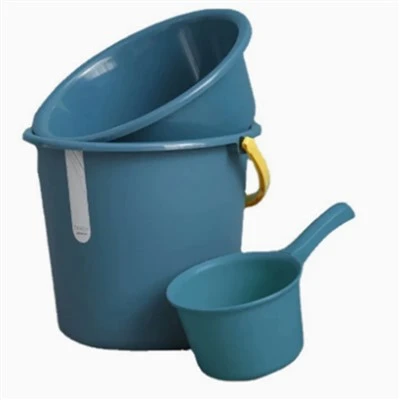
Hey there! I’m a supplier of injection molded parts, and today, I wanna chat about the cost of producing these things. It’s a topic that’s super important for both us suppliers and you folks looking to buy these parts. Injection Molded Parts
The Basics of Injection Molding Costs
Let’s start with the basics. When it comes to making injection molded parts, there are a bunch of factors that can affect the cost. First off, we’ve got the cost of the raw materials. Different plastics and polymers can have wildly different prices. For example, those high-performance engineered plastics are gonna cost a lot more than your basic commodity plastics. It all depends on what properties you need for your parts, like strength, flexibility, or heat resistance.
Then there’s the cost of the mold itself. Molds are a big investment. Designing and manufacturing a mold is a complex process that requires precision and expertise. The size, complexity, and the number of cavities in the mold all play a role in how much it’ll cost. A simple mold with just one cavity for a small part might not be too expensive, but if you need a large mold with multiple cavities for a complex part, you’re looking at a hefty price tag. And don’t forget, molds need to be maintained and repaired over time, which adds to the overall cost.
Another major cost factor is the production process. The cycle time of the injection molding machine is crucial. The longer it takes to make each part, the more it’s gonna cost. Things like the cooling time, the injection speed, and the ejection process can all affect the cycle time. We also have to consider the energy consumption of the machine. Running those big injection molding machines uses a lot of electricity, and that cost gets passed on in the price of the parts.
Material Costs
Let’s dig a little deeper into material costs. As I mentioned, there’s a wide range of plastics out there, and each one has its own price point. Commodity plastics like polyethylene and polypropylene are usually pretty cheap. They’re widely available and are used in all sorts of common products, from packaging to consumer goods. These plastics are great for parts that don’t need high-end performance.
On the other hand, engineered plastics like polycarbonate, PEEK, and nylon are much more expensive. They offer better mechanical properties, chemical resistance, and heat resistance. For example, PEEK is often used in aerospace and medical applications because it can withstand high temperatures and harsh environments. But because of its high performance, it comes at a high cost.
Sometimes, we can use recycled plastics to cut down on costs. Recycled plastics are usually cheaper than virgin plastics, and they’re also more environmentally friendly. However, the quality of recycled plastics can vary, so we have to be careful and make sure they meet the requirements of the part.
Mold Costs
Now, let’s talk about molds. As I said, molds are a big deal. The design of the mold is the first step, and it’s where a lot of the initial cost comes from. We need to consider things like the part’s shape, size, and how it’ll be ejected from the mold. A good mold design can make the production process more efficient and reduce the cost per part in the long run.
The manufacturing of the mold is also a complex and expensive process. We use high-quality steel or aluminum to make the mold, and it has to be machined to very tight tolerances. The more complex the part, the more complex the mold will be, and the higher the cost. For example, if a part has undercuts or complex geometries, we might need to use a more advanced mold design with slides or lifters, which adds to the cost.
Once the mold is made, we have to maintain it. Regular cleaning, lubrication, and inspection are necessary to keep the mold in good working condition. If the mold gets damaged, it needs to be repaired quickly to avoid production delays. All these costs associated with mold maintenance and repair are factored into the price of the parts.
Production Process Costs
The production process itself also has a big impact on the cost. The cycle time of the injection molding machine is one of the most important factors. A shorter cycle time means we can produce more parts in less time, which reduces the cost per part. To achieve a shorter cycle time, we need to optimize the injection speed, the cooling time, and the ejection process.
The injection speed affects how quickly the plastic is injected into the mold. If the injection speed is too slow, it can increase the cycle time. But if it’s too fast, it can cause problems like air traps or flash in the part. Finding the right injection speed takes some trial and error and a lot of experience.
The cooling time is also crucial. The plastic needs to cool and solidify in the mold before it can be ejected. If the cooling time is too long, it increases the cycle time. But if it’s too short, the part might not be fully solidified, which can lead to warping or other defects. We use things like cooling channels in the mold to help control the cooling time and make it more efficient.
The ejection process is the final step in the production cycle. We need to make sure the part can be ejected from the mold easily without getting damaged. If the ejection process is difficult or requires a lot of force, it can increase the cycle time and potentially damage the mold.
Other Costs
There are also some other costs that we need to consider. Quality control is a big one. We need to make sure that every part we produce meets the required specifications. This means doing things like dimensional inspections, material testing, and visual inspections. Quality control takes time and resources, and that cost is included in the price of the parts.
Labor costs are another factor. We need skilled operators to run the injection molding machines, maintain the molds, and perform quality control. The cost of labor can vary depending on the location of the manufacturing facility and the level of expertise required.
Shipping and logistics are also important. Once the parts are produced, we need to get them to you. The cost of shipping depends on the weight, size, and destination of the parts. We try to find the most cost-effective shipping methods, but sometimes, shipping can add a significant amount to the overall cost.
How We Keep Costs Down
At our company, we’re always looking for ways to keep the cost of producing injection molded parts down. One way we do this is by optimizing our production processes. We invest in the latest injection molding technology and equipment to improve efficiency and reduce cycle times. We also have a team of experienced engineers who are constantly looking for ways to improve the mold design and the production process.
We also work closely with our material suppliers to get the best prices on raw materials. By buying in bulk and building long-term relationships with our suppliers, we can often get discounts on the materials we use. And as I mentioned earlier, we also explore the use of recycled plastics when it makes sense, both to save money and to be more environmentally friendly.
When it comes to quality control, we have a well-established system in place. We use advanced inspection equipment and techniques to make sure that every part meets the required standards. By catching and fixing any quality issues early in the production process, we can avoid costly rework and production delays.
Conclusion
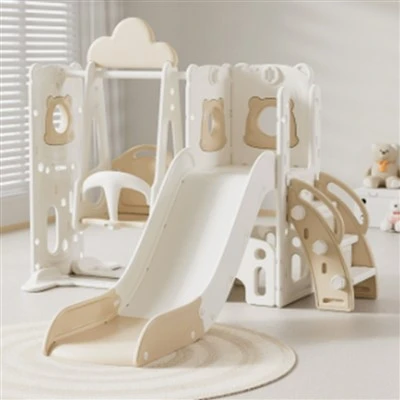
So, as you can see, the cost of producing injection molded parts is affected by a lot of different factors. From the raw materials to the mold design, the production process, and all the other costs like quality control and shipping, it’s a complex equation. But at our company, we’re committed to providing high-quality injection molded parts at a competitive price.
Plastic Bathroom Accessories If you’re in the market for injection molded parts, I’d love to talk to you. Whether you’re working on a small project or a large-scale production run, we can help you find the best solution for your needs. Just reach out to us, and we’ll be happy to discuss your requirements and give you a quote. We’re here to make the process as easy and cost-effective as possible for you.
References
- "Injection Molding Handbook" by O. John Graham
- "Plastic Part Design Handbook" by Milton J. Throne
- Industry reports on plastics and injection molding technology
Yongkang Shunjiang Plastic Products Co., Ltd.
As one of the most professional injection molded parts manufacturers and suppliers in China, we offer a wide range of products with superior quality. Please feel free to wholesale bulk customized injection molded parts from our factory. Also, pricelist is available.
Address: Kangzhuang Road, Xicheng Subdistrict, Yongkang City, Zhejiang Province, China
E-mail: 15158911623@163.com
WebSite: https://www.shunjiangplas.com/
