If you’ve ever stood in the crisp, dimly lit corridor of a grocery store’s backroom, watching a restock team haul pallets of frozen ice cream or pre-cut steaks toward the display cases, you’ve likely taken for granted the quiet work of thermal insulation materials at play. For decades, cold storage facilities have relied on these materials to keep perishables fresh, cut energy waste, and extend the shelf life of everything from leafy greens to pharmaceutical vaccines. As a thermal insulation supplier who’s worked with small cold rooms for artisan cheesemakers and sprawling industrial warehouses for global food distributors, I can tell you the answer to the question “Can thermal insulation materials be used in cold storage facilities?” is not just a yes—it’s a non-negotiable foundation for every cold chain operation, no matter the size. Thermal Insulation Materials
Let’s start with why cold storage even exists, because that context makes the role of insulation make sense. A cold storage facility’s core function is to maintain a consistent, low temperature—usually between -20°C and 2°C, depending on the goods being stored—by preventing heat transfer from the outside environment into the interior. If that heat isn’t stopped, your refrigeration system has to work overtime to cool the space back down, leading to sky-high energy bills, uneven temperatures that spoil batches of food or medicine, and even structural damage to the building over time. That’s where thermal insulation comes in: it acts as a barrier, slowing the movement of heat in or out of the facility so the cooling system only uses energy when necessary.
Not all insulation is created equal, though, and that’s the part I see most often when new customers reach out. Too many small business owners come to me assuming any insulation will work, only to end up with higher utility costs or even ruined inventory a few months later. For cold storage, we need insulation that meets three specific criteria: low thermal conductivity (meaning it resists heat transfer well), moisture resistance (because even a small amount of water or ice will drastically cut down its effectiveness), and structural durability (since it has to withstand heavy traffic, temperature swings, and occasional spills from goods like juice or frozen meat).
Over the years, the most widely used insulation types for cold storage have built their reputations on checking those boxes. Polyurethane foam (PUF) is one of the top picks, and for good reason. When sprayed or injected into wall panels or the gaps between roof joists, PUF forms a rigid, continuous barrier that has a very low thermal conductivity—around 0.022 W/m·K at low temperatures, which is far more effective than fiberglass or cellulose in cold environments. Unlike fiberglass, which absorbs moisture easily, PUF is closed-cell, meaning its tiny cells are filled with gas that doesn’t let water seep in. That’s a huge win for cold storage, where humidity can run high and a single leaky pipe can turn insulation into a soggy, useless mess in weeks. I worked with a craft brewery last year that installed PUF insulation in their cold storage for kegs; within a year, their energy use dropped by 28%, and they didn’t have a single issue with condensation on the interior walls.
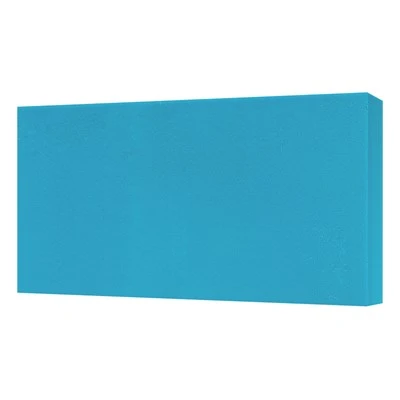
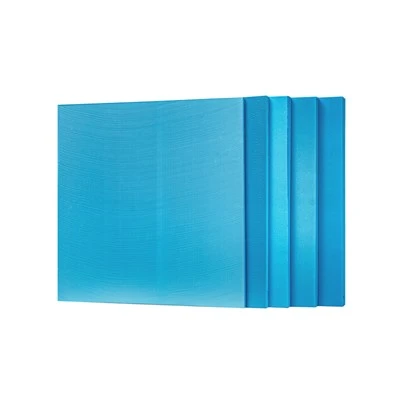
Another popular option is extruded polystyrene (XPS), which is often used for flooring in cold storage facilities. Cold storage floors take a beating: forklifts roll over them daily, they’re exposed to frost and frequent thawing when loading goods, and they need to prevent heat from the ground (which stays warmer than interior cold storage temperatures in most climates) from seeping up. XPS has a compressive strength high enough to support heavy loads, and its closed-cell structure resists moisture better than standard polystyrene. For a regional produce distributor I’ve partnered with, we used XPS for their 10,000-square-foot cold storage floor a few years back, and they report no signs of frost heave or structural damage in the five years since installation. That’s a big deal—frost heave can crack floors, cause safety hazards, and even damage the refrigeration piping buried underneath, leading to costly repairs.
I’ve also seen customers question whether newer insulation materials, like aerogel, are worth the investment. Aerogel is an extremely lightweight, high-performance insulation with an even lower thermal conductivity than PUF, making it ideal for tight spaces where bulk is a concern—like the insulation around small refrigerated display cases or portable cold storage units for disaster response. It’s more expensive upfront, but for applications where space is limited or maximum efficiency is needed, it can pay for itself in reduced energy costs over time. That said, for large, fixed cold storage warehouses, PUF and XPS still offer the best balance of performance and cost-effectiveness, which is why they make up 70% of the insulation we supply to industrial cold storage operators.
Of course, using insulation in cold storage isn’t just about picking the right material—installation matters just as much, if not more. I’ve seen countless poorly insulated cold rooms where small gaps between panels, improper sealing around doors, or damaged insulation from rough installation completely negate the benefits of high-quality material. For example, when we supply insulation to a cold storage facility, we always work closely with contractors to ensure every seam between panels is sealed with a vapor barrier and adhesive specifically designed for low-temperature environments. Even a 1-square-foot gap in a 1,000-square-foot cold storage wall can add up to 10% more heat transfer, forcing the refrigeration system to run almost constantly. That’s a mistake I’ve seen small businesses make: they cut corners on installation to save money, only to end up with higher operating costs that far exceed the initial savings.
Another common misconception I hear is that once insulation is installed, it’s a set-it-and-forget-it investment. That’s not true, especially for cold storage facilities. Over time, insulation can degrade from constant temperature swings, pest damage, or exposure to moisture. For example, rodents can chew through insulation, creating gaps that let heat in, and ice buildup on exterior walls can erode the material if it’s not properly drained. We always recommend our customers do annual inspections of their insulation, checking for signs of damage, moisture buildup, or gaps around doors and pipes. For a large national grocery chain, we provide not just insulation materials but also quarterly audit services to help them catch small issues before they turn into major problems. Last year, one of their stores in the Midwest had a small area of moisture buildup in their roof insulation that would have led to mold and structural damage if we hadn’t flagged it during an inspection. Instead, they were able to repair that area for a few hundred dollars, avoiding an estimated $50,000 in repairs and spoiled inventory.
Now, let’s talk about the bigger picture: why thermal insulation in cold storage isn’t just a business expense, but a critical part of global food security. According to the Food and Agriculture Organization (FAO), around 1.3 billion tons of food is wasted every year—nearly a third of all food produced. A huge portion of that waste happens in the cold chain, when facilities don’t maintain consistent temperatures due to poor insulation. For example, a shipment of fresh spinach that spoils because of fluctuating temperatures in a small cold storage unit doesn’t just mean lost revenue for the farmer and distributor—it means less food available for communities that rely on affordable produce.
As a supplier, that’s why we don’t just sell insulation materials; we help our customers make choices that align with both their bottom line and their impact. We recently worked with a nonprofit that runs cold storage facilities in rural areas of East Africa, where access to refrigeration is limited. We supplied them with durable, moisture-resistant XPS panels that can withstand extreme heat and humidity, and provided training for local contractors to install them correctly. The result? Their cold storage units cut food waste by 40% in the first year, allowing smallholder farmers to sell more of their crops instead of letting them spoil. That’s the kind of impact that makes every conversation about cold storage insulation worth having.
I also want to address a related question that comes up a lot: can old or recycled insulation be used in cold storage? The short answer is, usually not. Most insulation types degrade over time, especially when exposed to low temperatures and moisture. Fiberglass, for example, can become compressed and absorb moisture even in dry conditions, drastically reducing its effectiveness. Recycled insulation often has unknown histories—you can’t tell if it’s been damaged, contaminated, or exposed to pests, which makes it a risky choice for cold storage where consistent performance is non-negotiable. We always recommend new, code-compliant insulation materials for cold storage, because the small upfront cost difference is nothing compared to the cost of spoiled inventory or broken equipment.
Another consideration for modern cold storage is sustainability. Customers are increasingly asking about insulation materials that are low-VOC (volatile organic compounds) and recyclable, because they want to reduce their carbon footprint. PUF insulation, for example, can now be formulated with blowing agents that have a much lower global warming potential (GWP) than older versions, and some types of XPS are 100% recyclable at the end of their lifespan. We’ve invested in sourcing these eco-friendly options because we know that sustainability isn’t just a trend—it’s what our customers, especially larger corporate and nonprofit clients, demand. For a global food distributor that set a goal to reduce its cold chain carbon emissions by 30% by 2030, we worked with them to replace their old high-GWP insulation with new low-GWP PUF panels, which helped them meet a third of their emissions reduction target in just two years.
At the end of the day, thermal insulation is the unsung hero of every cold storage facility. It’s not glamorous, and most people don’t think about it until something goes wrong—like a power outage that leads to warm temperatures, or a sky-high energy bill. But from a small artisanal cheese cave in Vermont to a 500,000-square-foot industrial warehouse in Texas, insulation is what keeps operations running smoothly, protects valuable goods, and reduces waste. For anyone running a cold storage operation, cutting corners on insulation is never a good idea. Choosing the right material, getting it installed correctly, and maintaining it regularly will pay off in lower energy costs, less spoiled inventory, and a more reliable cold chain.
If you’re in the market for thermal insulation materials for cold storage, whether you’re a small business owner building a new cold room, a warehouse manager looking to upgrade existing insulation, or someone working on a large-scale industrial or nonprofit project, I’m here to help. We’ve worked with every type of cold storage operation, and we can provide personalized recommendations based on your space, budget, and needs. Don’t let inadequate insulation derail your operation—reach out to us to discuss your cold storage insulation requirements today.
Thermal Insulation Materials References
- Food and Agriculture Organization of the United Nations. (2019). The State of Food and Agriculture: Moving Forward on Food Loss and Waste Reduction.
- International Energy Agency. (2021). Cold Chain Equipment Market Analysis: Energy Efficiency Opportunities for Refrigerated Storage.
- ASHRAE. (2022). HVAC Applications Handbook: Thermal Insulation for Low-Temperature Environments.
- United Nations Environment Programme. (2020). Cold Chain Sustainability: A Guide for Reducing Emissions and Waste in the Food Sector.
Wenzhou Lejia Energy-saving Material Co., Ltd.
As one of the leading manufacturers and suppliers of thermal insulation materials in China, we’re featured by quality products and good service. Please rest assured to buy advanced thermal insulation materials for sale here from our factory. We also accept customized orders.
Address: Block A, No. 128 Changxiu Road, Lingkun Subdistrict, Wenzhou Marine Economy Development Demonstration Zone, Zhejiang Province, China.
E-mail: luckyfoam@vip.163.com
WebSite: https://www.lfxps.com/
