Hey everyone, thanks for swinging by—today we’re talking about something super close to home: fermentation compost equipment, aka the gear my team and I build and sell to farms, small businesses, and even residential guys trying to turn food waste into black gold. For years, I’ve been out in the field with customers, troubleshooting, listening to what works, and yeah, what doesn’t. A lot of people see compost equipment as a silver bullet for waste, but it’s definitely not—there are real, underdiscussed limitations that can make or break a project if you don’t know about ’em. Let’s cut the corporate jargon and break this down like I would with a customer over a coffee. Fermentation Compost Equipment
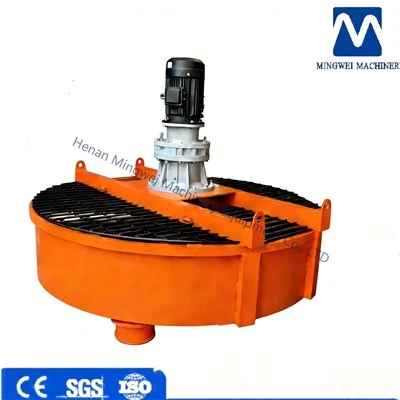
First off, I should start with the basic deal: fermentation composting (often called hot composting with controlled microbes) is way faster than static pile composting—like, 2–4 weeks vs. 6–12 months usually. That’s why everyone’s hyped about it. But the equipment that makes that speed happen has some hard limits that not everyone tells you. Let’s dive into the big one: the feedstock restriction. I’ve had so many customers come to me thinking “any organic waste works!” and they’re crushed when their machine clogs or the compost comes out smelly and useless. Here’s the thing: fermentation compost equipment is only built to handle a specific ratio of carbon to nitrogen (C:N), like 25–30 parts carbon to 1 part nitrogen. Carbon is your brown stuff—dry leaves, cardboard, sawdust (wait, no, not pressure-treated wood, that’s toxic). Nitrogen is your green stuff—food scraps, grass clippings, manure. If you throw in too much nitrogen (like 100 lbs of just kitchen scraps from a restaurant), the pile gets slimy, anaerobic, and starts stinking like rotten eggs. Too much carbon, and it’ll take forever to heat up, the microbes go dormant, and you’re just churning dry, dusty mulch. I’ve seen guys with big commercial machines jam them up because they thought “more food waste = better,” not realizing they had to sort and pre-blend before it even hits the equipment. The funny part? Some of the cheapest bulk equipment online doesn’t even have built-in mixing tools, so users have to do all that pre-work by hand—cutting into the whole point of buying fancy gear.
Next, energy dependency, and I’m not just talking about electricity for the motor. A lot of modern fermentation compost machines rely on controlled aeration, temperature monitoring, and microbial inoculants to hit that optimal 130–170°F range that kills pathogens and breaks down waste fast. But what if you live in a place with sketchy power? A customer in rural Ohio called me last winter saying his machine died overnight during a ice storm, and the waste turned slimy and had to be hauled away. Yeah, some machines have backup generators, but those add thousands to the cost, and they run on gas or diesel, which defeats the green purpose of composting in the first place. And it’s not just power for the motor—those temperature probes and sensors? They get clogged with waste, get corroded if you’re dealing with wet manure, and need to be replaced every year or two. I had a guy who skipped replacing his sensors and his machine was running at 80°F for months, producing nothing but stinky waste, and he had no clue why until we did a site visit. Also, the microbial stuff—we sell custom blends, but some cheap equipment comes with random microbes that don’t adapt to local conditions. If you’re in a dry, arid place vs. a humid, swampy one, those generic microbes won’t work half as well, and you’ve wasted money on a machine that’s underperforming.
Then there’s scale limitations, and this is a big one for small to mid-sized operators. A lot of people start small with a home unit, then scale up because their business takes off, only to hit a wall. The small batch machines (like 50–100 gallon units) are great for 1–2 people, but when you jump to 500+ gallon commercial units, the equipment’s ability to mix waste evenly drops off. Think about it: if you’ve got a big drum, the blades at the bottom churn waste way harder than the stuff on top, so some material gets under-aerated and some gets over-aerated, leading to inconsistent compost quality. I’ve had a 10-acre farm customer who upgraded from a 200-gallon to a 1,500-gallon machine, and their compost was coming out with raw bits of food waste and moldy chunks, because the mixing system wasn’t built to handle that volume. Also, the footprint is way bigger than people think. A lot of small businesses in urban areas don’t have space for a 10-foot-long machine, not to mention the storage for raw feedstock and finished compost. I had a coffee shop in Chicago that bought a compact 300-gallon unit, but they still had to set aside a corner of their parking lot for trash bags of food waste, and the city gave them a noise complaint because the machine churns loud at 7am when they’re prepping. Oh right—noise and odor control, which are inherent limitations of the equipment design, not just operator error. Even the best fermentation compost machines have some level of odor if they’re not tuned right, because anaerobic bacteria will show up if something’s off. And the motors and mixing blades aren’t quiet—most commercial units hit 70–85 decibels, which is as loud as a vacuum or lawnmower, so you can’t put them next to residential areas or other businesses.
Maintenance is another huge, underdiscussed limitation that a lot of vendors don’t tell you about. These machines aren’t “set it and forget it” like some ads claim. The rotating drums, mixing shafts, and even the interior liners get caked with compost residue, which builds up over time and makes the machine less efficient. If you don’t clean it after every batch, the residue can harbor bad bacteria, throw off the C:N ratio for the next run, and even cause the motor to strain and break. I’ve had customers whose machines broke down because they skipped a cleaning, and the repair bill was half the cost of a month of operation. Also, wear and tear on parts: the seals around the rotating drum, the sensors, the blades—all of these need replacing every 6–18 months, depending on use. For small operators, that’s a hidden cost that adds up fast. I once quoted a 500-gallon unit to a small restaurant group, and they balked when I added $500 a year for replacement parts—they thought it would just run forever. And if you’re in an area with hard water? Mineral buildup can clog aeration lines, so you have to flush the lines every week, otherwise the machine can’t get enough oxygen to the microbes.
Wait, and let’s not forget regulatory and environmental limitations. A lot of cities and counties have specific rules about where compost equipment can be placed, how much waste you can process, and what you can use the finished compost for. Even if your machine is top of the line, if it’s producing compost that doesn’t meet local standards for pathogen count or heavy metal levels, you can’t sell it or use it on food crops. I’ve seen customers with state-of-the-art machines get fined because their compost had too much plastic contamination (wait, no, that’s feedstock sorting) or because their machine’s odor levels exceeded the city’s limits, even though they thought they did everything right. Also, some areas have banned certain types of fermentation compost equipment because they’re linked to leachate—liquid that drains from the compost pile, which can carry nutrients and bacteria into groundwater. If your machine doesn’t have a proper leachate collection and treatment system, you could end up with environmental issues that cost way more than the equipment itself.
Now, before you think “wow, this equipment is garbage,” let’s be clear: it’s not—when it’s used right, it’s one of the best tools out there for cutting food waste, reducing landfill emissions, and making nutrient-rich compost. The problem is that a lot of vendors hype it as a no-fix solution without being upfront about these limitations, so people end up disappointed. My team works with every customer to walk through their specific situation: what feedstock they have, how much space they have, local regulations, budget, and we adjust the equipment setup to fit, not the other way around. If you’re a small residential user dumping 10 lbs of food waste a week, a big commercial unit is overkill, and you’ll deal with all the scale issues. If you’re a 10,000 sq ft farm with 500 lbs of food waste a day, we’ll add extra mixing blades and a backup power system so you don’t hit those energy limits.

If you’re thinking about buying fermentation compost equipment—whether you’re a small business, farm, or even a larger operation—don’t just go for the cheapest or biggest unit you see. Hit us up to chat through your needs, ask questions about pre-sorting, maintenance, local rules, and we’ll help you figure out what works for you. We’re not here to upsell you on something you don’t need—we’ve been in this game long enough to know that the best equipment isn’t the one that handles everything, it’s the one that fits your specific setup and goals.
Crushing and Grinding Machines References:
- USDA Agricultural Research Service. (2021). Composting Equipment and Systems for On-Farm Waste Management.
- Environmental Protection Agency. (2022). Technical Review of Controlled Fermentation Composting Technologies and Limitations.
- International Organization for Standardization. (2020). ISO 14855: Composting Equipment Performance Standards and Operational Guidelines.
- National Sustainable Agriculture Coalition. (2023). Small-Scale Compost Equipment User Report: Common Pain Points and Limitations.
Henan Mingwei Machinery Equipment Co., Ltd.
As one of the most experienced fermentation compost equipment manufacturers in China, we have world-leading production equipment and strong manufacturing capabilities. Please rest assured to buy durable fermentation compost equipment for sale here from our factory. For price consultation, contact us.
Address: No.461 Qudong Jinsui Avenue, Hongqi District, Xinxiang City, Henan Province, China
E-mail: info@hnmwm.com
WebSite: https://www.hnmwmequip.com/
