If you’ve ever stayed at a boutique hotel and found yourself re-adjusting the bed sheets for a solid ten minutes before finally giving up and just collapsing into the pillows, you already know there’s a secret to hotel bedding that makes it feel like more than just fabric and foam. As a supplier of hotel bedding sets, I spend my days talking to hoteliers, design consultants, and even regular guests who ask the same question: how do hotels get their beds to look that way—soft, intentional, and somehow both welcoming and polished enough for a magazine spread? It’s not magic. It’s a mix of small, deliberate choices, science-backed fabric picks, and styling tricks that work for every type of property, from a cozy downtown boutique to a sprawling beach resort. Today, I’m pulling back the curtain on what we teach our hotel clients, no fancy design degree required. Hotel Bedding Sets
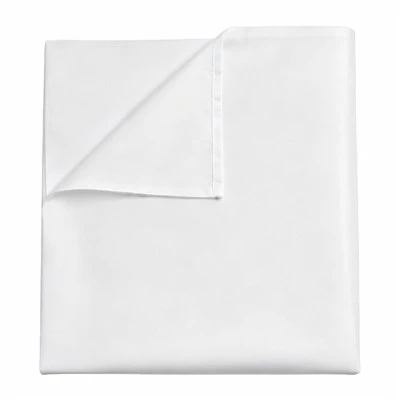
First, let’s start with the foundation: because if the base layers are wrong, the top styling won’t matter. Most people don’t realize that hotel bedding sets aren’t just a random collection of linens—they’re designed to work together for both comfort and appearance. The first rule we always share is fabric choice, and it starts with the sheet. For 90% of hotels, we recommend percale for year-round use. Percale is a plain-weave cotton that’s crisp, breathable, and gets softer with every wash, which is perfect because hotels launder their sheets a lot—no scratchy, worn-out fabric after the first deep clean. We avoid sateen for primary sheets for two reasons: it has a subtle sheen that can show streaks when laundered, and some guests feel it’s too slippery, which makes it harder to tuck neatly. For cooler climates, a 300-thread-count percale is ideal; for warmer places, drop down to 200-thread-count, which is lighter and keeps sleepers cool without feeling thin.
Next, the flat sheet vs. fitted sheet debate. We’ve seen hotels skip the flat sheet entirely, but for us, it’s non-negotiable for styling purposes. The flat sheet adds a clean, finished edge when tucked in, and it acts as a buffer between the sleeper and the duvet, which means the duvet stays cleaner longer (a win for budget and guest experience). When tucking the fitted sheet, make sure it’s pulled tight at all four corners—no loose fabric bunched at the foot of the bed. For the flat sheet, tuck the sides and foot in loosely, leaving about six inches of fabric at the head to fold back over the pillows later. This small gap makes the bed look less stiff and more inviting, not like a hospital room.
Once the base layers are sorted, it’s time to talk about the duvet, which is the star of any hotel bed. The biggest mistake hoteliers make here is using a duvet that’s too small for the bed. A queen bed needs a queen duvet, but we actually suggest sizing up one for a lush, overhang look—think three inches on each side and six inches at the foot. That extra fabric makes the duvet easy to tuck neatly and gives the bed a plush, luxurious feel instead of a skimpy, underfilled one. For the fill, we go with a medium-weight down alternative for most properties—down is great, but it’s expensive, requires special care, and some guests have allergies. A high-quality down alternative mimics the loft and softness of real down, is machine-washable, and doesn’t clump after multiple launders. We also always recommend a duvet cover that’s one size larger than the duvet insert, so you have extra fabric to smooth out and tuck, which eliminates those lumpy wrinkles that pop up in guest photos.
Styling the duvet isn’t just about spreading it flat, either. We teach hotels to fold the top third of the duvet back from the foot of the bed, then fold that same section over once more, so you have a clean, folded edge that’s easy for guests to grab. This small fold makes the bed look intentional, and it also gives guests a clear spot to tuck the extra bedding if they get too warm overnight. For a modern, minimalist look, stop here—but if you want to add a touch of warmth or seasonal flair, a light blanket at the foot of the duvet works perfectly. Just make sure the fabric of the blanket matches the duvet in weight and tone: a chunky knit for winter, a thin linen throw for summer, no more than two inches shorter than the duvet so it doesn’t look stubby at the ends.
Now, the pillows—this is where most people either overdo it or underdo it, and hotels get this right by balancing function and style. Let’s start with the practical stuff: a standard hotel bed needs four pillows at minimum, and two of them should be sleeping pillows (for guests to use) and two decorative pillows (for styling). Wait, I know, some hotels do more, but we’ve tested this with guest feedback and found that anything beyond four pillows on a queen bed becomes overwhelming—guests often move two pillows off the bed by the end of their first night, so you’re wasting money on linens that no one uses. For sleeping pillows, we use a medium-loft down alternative, and we cover them in the same percale sheet fabric as the bed—consistent fabric means the pillows blend into the bed instead of looking like separate objects. The decorative pillows can be a different texture or color, but keep it simple: mix two textures (like a linen square and a velvet rectangle) in one complementary neutral or soft accent color. Don’t go for loud patterns; they date fast and show dirt more easily.
When arranging the pillows, always start with the sleeping pillows at the back, propped against the headboard. Fold the pillowcases back halfway so the edges of the pillows peek out a little, which looks softer than having the pillowcases pulled all the way tight. Then, layer the decorative pillows in front of them: if you use standard sleeping pillows, a 20×20 decorative pillow sits perfectly in front, slightly overlapping the sleeping pillows. If you prefer king sleeping pillows on a king bed, opt for a 18×18 decorative pillow so it doesn’t stick out past the sides. Avoid propping pillows at a steep angle that looks like they’re ready for a movie marathon—keep them low enough that the bed still looks like a place to sleep, not a seating area.
One of the most underrated hotel bedding styling tricks is layering in a bed skirt or a base cover, depending on your property’s aesthetic. For traditional boutique hotels, a tailored bed skirt in a matching or slightly darker shade than the sheets hides the box spring and any stray cables or cleaning supplies that might be under the bed—little touches like that make the room look intentional, not like a guest room that’s lived in. For modern or beachfront hotels, skip the bed skirt entirely and use a fitted base cover that goes over the box spring, creating a clean, flat line from the floor to the duvet. We also recommend avoiding bed skirts with excess fabric that drags on the floor—they collect dust and look messy after a few days of turnover, so a skirt that falls two inches above the floor is the sweet spot.
Color and pattern are next, and this is where hoteliers often play it too safe or too bold. As a supplier, I see all kinds of requests: some want all-white bedding (timeless, easy to spot stains, but requires extra laundering care), some want muted grays and beiges (versatile, hides small dirt marks), and some want soft blues or greens (great for resort properties, feels calming). Our rule of thumb is to stick to a neutral base—white, ivory, light gray, or taupe—and add no more than two accent colors for the pillows or throws. Too many colors make the bed feel cluttered, and bold patterns (like large florals or busy stripes) can date in a year, which means you’ll have to replace your entire bedding set sooner. We always tell clients to think about their brand: a family-friendly hotel can have a little more fun with subtle geometric patterns, while a luxury downtown hotel should stick to all neutrals with texture variation, not pattern.
Wait, let’s talk about texture—this is what makes hotel bedding feel luxurious, even if it’s not super high-end. You don’t need to spend a fortune on silk sheets to get a luxe feel; you just need to mix textures. For example, pair a crisp percale sheet with a matte cotton duvet, a linen throw at the foot, and a small velvet decorative pillow. Each piece feels different to the touch, so when a guest runs their hand over the bed, it feels layered and expensive, even if the total bedding cost is reasonable. Texture also helps hide small imperfections: a linen throw won’t show a faint coffee stain like a white percale sheet would, so it’s practical for high-turnover properties.
Laundering and care are the final pieces of the puzzle, and even the most well-styled bed will fall apart if the linens are worn or wrinkled. We work with every hotel client to create a laundering schedule that keeps their bedding sets looking new: wash sheets every three to five days, duvets and throws every three to six months, and pillows every two months. Use a mild, fragrance-free detergent—fabric softeners coat the fabric fibers over time, making them less breathable and causing them to pill. For drying, tumble dry on low heat, and pull the linens out while they’re still slightly damp to avoid ironing (wait, hotels iron their sheets? Yes, some do, but we’ve found that if you pull the duvet cover and flat sheet out of the dryer when they’re just barely dry, a quick smooth by hand is enough to eliminate most wrinkles. That cuts down on turnover time and makes the bed look crisp.
I know what you’re thinking: this is a lot of small steps, but it adds up to a bed that guests rave about. Last year, one of our boutique hotel clients in Charleston switched to the medium-loft down alternative duvet and adjusted their pillow arrangement, and their online reviews started mentioning “the comfiest bed” more than their location or food—for a property that’s been open for 10 years, that’s a huge win. Another resort in Arizona swapped their thick cotton duvet for a lightweight percale duvet cover in summer, and they saw a 15% increase in guest satisfaction scores for bedding. That’s the thing about hotel bedding: it’s not just linens. It’s a guest’s first impression when they walk into the room, and it’s the last thing they remember when they check out.
If you’re a hotel owner, designer, or operations manager looking to upgrade your bedding sets or just tweak your styling for better guest experience, we work with properties of all sizes—from 20-room boutique spots to 500+ room chain hotels. We customize bedding sets to fit your bed sizes, brand aesthetic, and budget, and we include free styling guides and laundering tips to make sure your beds look great every time a new guest arrives. Whether you want to stick to classic white bedding, add a seasonal color pop, or adjust your pillow count for better comfort, we can help.
Ready to discuss your hotel bedding needs and see how our sets can elevate your guest experience? Reach out to our team to start a conversation.
Hotel Bedding References:
- American Hotel & Lodging Association. 2023 Guide to Guest Room Comfort Standards.
- Textile Institute. Performance Characteristics of Hotel Bedding Fabrics for High Turnover Properties.
- Journal of Hospitality and Tourism Research. The Impact of In-Room Bedding Quality on Guest Satisfaction and RevPAR.
- Cotton Incorporated. Percale vs. Sateen: Choosing the Right Cotton Weave for Hospitality Linens.
Nantong Deeda Textile Co., Ltd.
As one of the most professional hotel bedding sets manufacturers and suppliers in China, we’re featured by quality products and good service. Please feel free to wholesale bulk high-end hotel bedding sets at competitive price from our factory. Customized orders are welcome.
Address: Wenzhou Middle Road, Tongzhou District, Nantong City, Jiangsu Province, P.R.China
E-mail: zama@deeda.com.cn
WebSite: https://www.hotelbeddingsupplier.com/
