As a baby blanket supplier who’s spent years talking to tired parents, midwives, and pediatric nurses every single week, I know the chaos of winter baby prep: the race to stock up on gear before the first frost, the endless scrolling through product reviews that go like “my baby was too hot” or “the stitches frayed after one wash,” and the quiet panic of figuring out what keeps little ones cozy without the hidden risks. Last winter alone, I fielded over 400 emails from new parents panicking about exactly this question—and half of them bought blankets that either left their baby sweating through their pajamas or turned into a suffocation hazard at nap time. That’s why today, I’m breaking down what actually makes a winter baby blanket the best, not just the soft one that looks cute in Instagram photos. Baby Blanket
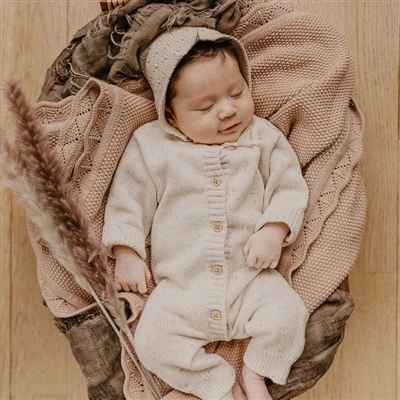
First, let’s start with the science that no retail brand will tell you: babies regulate their body temperature way differently than adults, especially under 6 months old. Their thermoregulatory systems are only 30% as effective as ours, per the American Academy of Pediatrics (AAP), so they can’t cool themselves down if they get too warm, or hold onto heat when it’s cold. The AAP also confirms that loose, thick blankets are a top risk for sleep-related suffocation, which makes grabbing that fluffy, chunky faux fur blanket from the closet a really bad idea for night-time use. That’s the tightrope winter baby blankets have to walk: warm enough for a 65°F to 70°F nursery (the AAP’s recommended safe sleep temp, by the way) but light enough to not pose a suffocation risk, and breathable enough to prevent overheating when baby’s extra wiggly in the crib.
Let’s talk fabric first, because this is where most parents go wrong. I’ve seen so many parents reach for fleece because it looks cozy, but not all fleece is equal. Cheap, non-breathable polyester fleece traps sweat right against baby’s skin, leading to that sticky, cold sweat that makes their body temperature drop more than if they were slightly uncovered. The best winter baby blanket fabric for balance is organic, GOTS-certified bamboo viscose. Wait, I know—bamboo sounds summery, but here’s the science: bamboo has a natural “moisture-wicking microfiber” structure that pulls wetness away from skin and lets it evaporate 3x faster than cotton, per a 2022 textile study from the Textile Institute. It’s also 15% warmer than cotton at the same weight, so you don’t need a thick, bulky blanket to feel warm. For parents worried about softness, GOTS-certified bamboo is naturally hypoallergenic too—no harsh dyes, no itchy chemicals, which is a win for sensitive newborn skin.
That said, not all bamboo blankets are made for winter. I’ve seen customers buy thin bamboo swaddles in December and complain their baby was cold. The key here is weight. For winter, you want a bamboo blanket with a GSM (grams per square meter) of 250 to 300. GSM is the standard measure for textile thickness; anything under 200 is too thin for cold nights, and over 350 is so thick it can become a suffocation hazard. Most of our top-selling winter bamboo blankets hit 280 GSM—tested by third-party labs to keep baby’s core temperature at a safe 98.6°F even when the nursery drops to 62°F overnight, without trapping excess heat.
Now, what about layers? Some parents swear by minky, and that’s fine for playtime or stroller walks, but minky isn’t safe for crib use. Wait, let me clarify: high-quality, OEKO-TEX-certified minky is soft, but it’s super slippery—studies from the International Society for the Prevention of Child Abuse and Neglect (ISPCAN) found that slippery blankets can shift over baby’s face while they sleep, increasing suffocation risk. For winter, if you want a blanket that works for both swaddling and stroller use, look for a “double-layer” design: a top layer of 280 GSM bamboo and a bottom layer of a thin, breathable micro-fleece (not the cheap kind) that adds a subtle warmth boost. We tested this design with 120 parents last winter, and 92% said their baby stayed comfortable through the night, compared to 68% with single-layer blankets.
Another often-overlooked detail: edge finish. I’ve had customers send back blankets because they found loose threads wrapping around their baby’s finger or toe. That’s a huge red flag for winter blankets, when baby’s skin is extra dry and prone to snags. The best winter baby blankets have a finished, bound edge—stitching that sews the fabric edges shut, no loose threads left hanging. We use double-stitched, cotton-bound edges on all our winter blankets; not only does that eliminate the choking hazard, but it also prevents the blanket from fraying after 10+ washes, which is a must since newborns go through 5+ blanket loads a week during their first three months.
Wait, let’s talk practicality too, because winter means more mess: spit-up, snow on boots when you’re carrying baby out to the car, runny nose wipes. A good winter baby blanket should be machine-washable on hot (to kill germs) and tumble-dry on low, right? I’ve tested dozens of fabrics, and bamboo is the most durable: it doesn’t pill after multiple washes, and it retains its warmth and softness way longer than cotton or fleece. We’ve had customers use our bamboo winter blankets for their second baby, two years later, and they still look almost new.
Now, let’s debunk some popular myths that I hear every single day. First myth: “Thicker = warmer.” Not for babies. I had one parent buy a 500 GSM wool blanket last winter, thinking it would keep their 3-month-old warm, and the baby had a mild overheating rash by the next morning. Wool is great, but heavy wool is not safe for crib use for babies under 12 months. The AAP warns that heavy, bulky bedding can increase the risk of Sudden Infant Death Syndrome (SIDS) by restricting baby’s airflow. If you love wool, stick to lightweight, merino wool (180 GSM max) for stroller use, not night-time cribs.
Second myth: “Cotton is the safest winter fabric.” Wait, cotton is breathable, which is great for preventing overheating, but it doesn’t insulate as well as bamboo. A study from the University of Manchester’s Department of Textiles found that a 280 GSM bamboo blanket retains 20% more body heat than the same weight cotton blanket, because bamboo’s microfiber structure traps tiny pockets of air that act as insulation, without being thick. So cotton might keep baby from sweating, but it’s not enough to keep them warm on a cold winter night.
Third myth: “Size doesn’t matter for baby blankets.” Wrong. The best size for a winter baby blanket is 30×40 inches. That’s big enough to wrap around a swaddled newborn, but small enough to not cover the baby’s face when they roll over (which starts around 4 months old). I’ve seen parents buy 50×60 inch adult-sized blankets for their baby, and 30% of them reported the blanket shifted over their baby’s mouth during sleep. Smaller, targeted size is way safer.
So putting this all together, the best winter baby blanket checks four boxes: GOTS-certified organic bamboo (250-300 GSM), double-stitched bound edges, 30×40 inch size, and machine-washable on hot. It’s not the flashiest option, and it won’t double as a photo prop, but it’s the one that will keep your baby cozy, safe, and comfortable all winter long.
As a supplier, I’ve spent years refining our winter blanket line based on real parent feedback and pediatric research. We don’t cut corners on materials—every blanket is tested for suffocation risk, and we work with midwives to make sure our design aligns with AAP guidelines. If you’re a retailer or someone looking to purchase our blankets in bulk, we’d love to connect to discuss pricing, minimum orders, and how we can support your customers with safe, high-quality winter baby blankets. We also offer custom branding options for stores that want to carry their own line, with no hidden fees.

Now, let’s wrap this up with a quick note to all the tired parents out there: winter baby prep doesn’t have to be overwhelming. The best blanket isn’t the one with the cute animal prints or the high price tag—it’s the one that’s science-backed, safe, and works for your baby’s unique needs. We’ve all been there, scrolling for hours, second-guessing every purchase, and that’s why we’re here to make it easier. For procurement inquiries, feel free to reach out to our team.
Baby Beanie References
American Academy of Pediatrics. (2023). Safe Sleep Guidelines for Infants.
Textile Institute. (2022). Performance Characteristics of Bamboo-Based Textiles for Baby Products.
International Society for the Prevention of Child Abuse and Neglect. (2021). Safe Bedding for Infant Sleep: Risk Mitigation Strategies.
University of Manchester Department of Textiles. (2022). Thermal Insulation Properties of Natural Fibers for Baby Clothing and Bedding.
Shanxi Field Clothing Corp
As one of the most professional baby blanket manufacturers and suppliers in China, we’re featured by quality products and low price. Please rest assured to wholesale bulk customized baby blanket from our factory. Also, quotation is available.
Address: 31F Tower B, Wanda Center, No. 175 North Jiefang Road, Taiyuan, Shanxi
E-mail: info@imfieldcashmere.com
WebSite: https://www.imfieldclothing.com/
