Hey there, if you’re here, you’re probably dealing with finned tubes—whether you’re an HVAC tech trying to keep a commercial chiller running through summer, a refinery engineer troubleshooting heat exchanger efficiency, or a plant manager tired of replacing these things every two years. Let me cut to the chase: I’ve been selling finned tubes for over a decade now, and the #1 question I get isn’t “What’s the best fin design?” It’s “How do I make these things last longer without breaking the bank?” Finned Tube
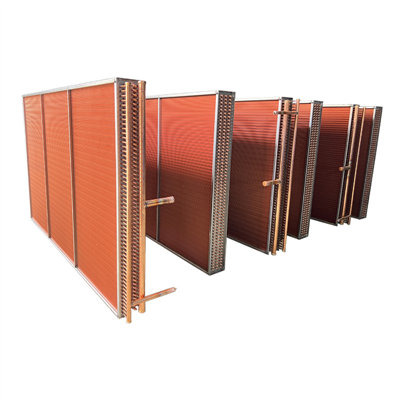
First, let’s get one thing straight—finned tubes don’t die on their own. Most of the time, their lifespan gets cut short by avoidable mistakes, bad maintenance, or cheap shortcuts I see way too many teams take. I’ve seen finned tubes rust out in 18 months that should’ve lasted 10+, and I’ve had clients that run their stuff for 15 years with zero major issues. Today, I’m spilling the real, actionable stuff I’ve learned from working with hundreds of operators, not just the generic manufacturer fluff.
Let’s start with the basics: what actually makes finned tubes fail? The big three are corrosion, fouling, and physical damage. Tackle these, and you’ll add years to your setup. I’m gonna break each down with specific, doable steps—no jargon, just stuff you can implement next week.
First up: corrosion. This is the silent killer. Finned tubes are usually made of steel, copper, or aluminum, and whatever material you pick, it’s only as good as its environment. A mistake I see all the time is buying “standard” carbon steel tubes for outdoor applications that get exposed to salt air or high humidity. Carbon steel rusts like crazy in those conditions— I had a food processing client last year who did that, and their tubes were pitted so bad in 2 years that heat transfer dropped 30%. The fix? If you’re dealing with corrosive environments (saltwater, industrial fumes, even food-grade moisture), go with galvanized steel, copper, or even stainless steel. Don’t try to save a few bucks on material up front— you’ll pay twice in replacements and downtime.
Wait, another corrosion trick most people miss: coating quality. Not all fin coatings are equal. I’ve seen cheap powder coatings flake off after 6 months because the prep work was shoddy. When you’re sourcing tubes, ask if the supplier does a phosphate wash before coating— that’s the step that makes the coating stick, not just look pretty. Also, avoid thick coatings if you don’t need them— too much coating can actually insulate the fins, hurting heat transfer. It’s a balance, not a one-size-fits-all.
Next, fouling. This is when gunk builds up on the fins— dust, oil, scale, algae, whatever. It’s not just gross; that gunk acts like an insulator, so your system has to work way harder, which wears out the tubes faster. I had a manufacturing plant client that skipped cleaning their air-cooled finned tubes for 5 years. The fins were so caked with dust and lint that the fan had to run 24/7 to keep the pressure down. When we pulled a tube to test it, the metal under the gunk was corroded, and the fin tips were bent from the fan strain. That’s a perfect storm of fouling leading to early failure.
How to fix fouling? First, schedule regular cleanings— but not just with a pressure washer blasting at full power. That’s a quick way to bend fins or strip coatings. Use low-pressure, warm water with a mild detergent, and if you have really tough gunk (like oil or scale), use a neutral pH cleaner. Also, install fin guards if your setup is in a dusty area— that’s a cheap add-on that keeps big debris from clogging the gaps between fins. Another pro tip: if you’re dealing with outdoor dust, a simple weekly wipe-down of exposed fins with a soft brush can cut fouling by 50%. I tell all my clients— if you can see a layer of gunk on the fins, you’re already past due for a clean.
Now, physical damage. Bending fins is the #1 accidental way people mess up their tubes. I’ve seen techs knock fins with tools during installation, or even when accessing the system later. Bent fins don’t just look bad— they disrupt airflow, which reduces heat transfer and makes the system work harder. Even a small bend in 10% of the fins can lower efficiency by 15%. The fix here is simple: train your maintenance team to be careful, and keep a fin straightener tool on hand— they’re like $20, way cheaper than replacing a whole tube. Also, when you’re installing tubes, don’t force them into place. If it’s not lining up, adjust the bracket or the pipe— bending the tube or the fin is never worth the hassle. And if you have a lot of tube runs that people access often, add protective covers over the fin areas— that’s another low-cost way to prevent accidental damage.
Wait, there’s one big thing I almost forgot— proper design and sizing. I see so many teams size their finned tubes wrong to cut costs. Like, they pick a tube with too few fins because it’s cheaper, but that means less surface area for heat transfer, so the system runs at higher temperatures. Higher temps speed up corrosion and wear on the metal. I had a HVAC contractor last year who sized a chiller’s finned tubes too small for a new office building. The tubes ran 10 degrees hotter than they should have, and after 3 years, the steel started rusting through. Don’t play sizing games— work with your supplier to calculate exactly what you need based on your ambient conditions, flow rate, and required heat transfer. It’s not over-engineering, it’s extending the life of your system.
Another underrated trick: regular inspections. I tell all my clients to do a quick visual check every 3 months, and a deeper inspection once a year. What to look for? Bent fins, flaking coatings, rust spots, or unusual buildup. Catching a small rust spot or a bent fin early is way easier than fixing a full-on failure. Last quarter, a client called me panicking because their tubes were leaking. When I sent a tech, we found a tiny rust spot on one fin that had grown over 6 months. If they’d checked at 3 months, we could’ve just touched up the coating for $50, instead of having to replace half the tube run for $5,000. That’s the difference between proactive and reactive— proactive saves you so much money.
Oh, and let’s talk about operating conditions. A lot of people don’t realize that running your system at full load 24/7 is a killer for finned tubes. If you can, stagger operating times so the tubes get a break— even 2 hours a day of downtime lets moisture evaporate, which cuts corrosion. Also, if you’re working with hot fluids, don’t let the temperature spike above the material’s rating. For example, copper tubes can’t handle temps over 250°F for long periods— if you push them, the metal weakens and cracks. Stick to the specs, and you’ll extend the lifespan by years.
Wait, I know some of you are thinking “That’s great, but what if I already have finned tubes that are failing?” Can you save them? Sometimes. For minor corrosion, you can sand the rust spot and touch up with a matching coating. For bent fins, straighten them as best as possible and clean the area. But if there’s pitting in the metal or the fins are completely clogged, it’s probably time for a replacement. That’s why it’s better to do the proactive stuff early— way cheaper.

Let me wrap this up real. Finned tubes are a workhorse, but they’re not indestructible. Most of the early failures I see are 100% preventable— bad material choice, skipped cleanings, small damages left unaddressed. I’ve been in this game long enough to know that when clients come to me saying their tubes won’t last, it’s almost never because the product is bad. It’s because they skipped the simple steps to take care of them.
Plate Condenser If you’re tired of replacing finned tubes every couple years, or if you’re planning a new system and want to pick something that’ll stand the test of time, hit me up to chat. We can go over your specific setup, environment, and needs, and figure out the best finned tube solution for you that’s built to last. No pushy sales stuff, just honest advice from someone who’s worked with these things for years.
References
- Heat Transfer Research Institute. (2021). Finned Tube Lifespan Optimization for Industrial Applications. HTRI Press.
- ASHRAE. (2022). HVAC Design Guide: Finned Tube Coil Maintenance and Durability. ASHRAE Society.
- NACE International. (2020). Corrosion Prevention Methods for Ferrous and Non-Ferrous Finned Tubes. NACE Publication 4512.
- Fin Tube Manufacturers Association. (2023). Best Practices for Finned Tube Installation and Operational Care. FTMA Technical Bulletin.
Xiangshui Derkang Refrigeration Equipment Co., Ltd.
As one of the most professional finned tube manufacturers in China, we’re featured by quality products and low price. If you’re going to buy discount finned tube, welcome to get quotation from our factory. We also accept customized orders.
Address: No. 2, Xiaojian Town Entrepreneurship Park, Xiangshui County
E-mail: 505745223@qq.com
WebSite: https://www.xsderk.com/
