Hey there, if you’ve ever struggled with a butt-weld pipe fitting install gone wrong—like a leak that pops up a week later, or a joint that’s lopsided enough to make you question your entire day—you know how much of a headache it is. I’ve been in the butt-weld pipe fittings game for over 10 years now, and I’ve seen it all: contractors rushing a fit-up, skipping a simple check, or grabbing the wrong part without double-checking specs. Most of the time, those mistakes aren’t from being careless—they’re from not knowing the tiny, make-or-break details that separate a solid install from a disaster. Today, I’m pulling back the curtain on the most common mistakes I see, and exactly how to avoid them (no fancy jargon, just real stuff I’ve learned working with plumbers, welders, and industrial fitters every week). Butt-Weld Pipe Fittings

First things first—let’s talk about the part that trips people up most, right out the gate: choosing the wrong fitting for the job. It sounds basic, but you’d be shocked how often someone grabs a 6-inch Schedule 40 elbow when they need Schedule 80, or a carbon steel fitting for a line carrying corrosive chemicals. Let’s break this down: butt-weld fittings aren’t one-size-fits-all. They’re made for specific pipe schedules, materials, pressure ratings, and even the type of fluid moving through the line. For example, if you’re working with a natural gas line that runs at 150 PSI, a standard carbon steel fitting might not cut it—you need one rated for that pressure class (like 3000 PSI, to be safe). Last year, we had a customer come to us because their new piping system was leaking at every fitting, and turns out they used stainless steel fittings on a carbon steel pipe line. The galvanic reaction between the two metals ate through the joints in months. That’s a costly mistake. So here’s my rule: before you even leave the shop, triple-check three things. First, confirm the pipe’s schedule (the wall thickness—Schedule 40 vs 80 is non-negotiable). Second, match the fitting material exactly to the pipe (or get a compatible one if specs allow—always ask your supplier if you’re unsure). Third, check the pressure and temperature ratings: if your line runs at 200°F and 250 PSI, make sure the fitting is rated for at least that, not just the size. And hey, don’t be afraid to call your supplier (that’s me, by the way) and ask—we’d rather you double-check than have to fix a mess later. We get that question every single day, and we don’t judge.
Next up, the install step that’s make-or-break: bad fit-up before welding. This is where 90% of the mistakes start, and it’s so easy to skip if you’re in a hurry. Fit-up is basically aligning the fitting and pipe perfectly before you strike an arc. Let’s get real: if you’ve got a gap that’s too big, or one side that’s offset by even a 1/16 of an inch, that weld will be weak. I’ve seen guys rush this and just tack-weld two pieces together with a big gap, then wonder why the joint cracks under pressure. Why does fit-up matter? Because butt-weld fittings are designed to butt up flush to the pipe—no gaps, no misalignment. The goal is a consistent root gap (usually 1/8 to 3/16 of an inch, depending on the material and pipe thickness) and perfect concentric alignment. No “eye-balling” this, trust me. Here’s how to do it right: first, use a fit-up tool, or a simple level and tape measure, to make sure the pipe and fitting are centered. Hold them up to light—if you can see light through the gap in multiple spots, that’s a bad fit. The root gap should be even all the way around. If you’ve got too much gap, you’ll burn through during welding, or have to add extra filler metal that weakens the joint. Too little gap, and the weld won’t penetrate deep enough to hold. And when you do tack-weld (small tacks every 2 to 3 inches around the joint), make sure those tacks are solid—no incomplete welds there, or they’ll pull apart when you do the full weld. I always tell new fitters: take 5 extra minutes on fit-up, and you’ll save 5 hours fixing a bad weld later.
Now, let’s talk about the thing no one warns you about—prep work before welding. I see this all the time: a fitter grabs a fitting right off the shelf, wipes off the cardboard dust with a rag, and starts grinding it. But here’s the deal: butt-weld fittings have a coating on them (usually a light oil, rust inhibitor, or even a mill scale layer) to keep them from rusting in storage. If you don’t clean that off, your weld will be contaminated—meaning it won’t fuse properly to the pipe or fitting. Contaminated welds are weak, prone to leaks, and can even fail under pressure. Same goes for mill scale—if you leave that on the end of the pipe or fitting, the weld metal won’t stick. So prep work isn’t optional. What do you need to do? First, wipe the end of the fitting and the pipe end with a clean rag (or even a degreaser if it’s really oily) to get rid of surface dirt, oil, or shipping residues. Then, grind or brush the area where the weld will go—about 1/2 inch back from the end, on both the pipe and the fitting—to remove mill scale, rust, or any other gunk. Don’t skip this step. Last quarter, we had a customer who did 100 feet of piping, and 10 joints failed in pressure testing. Turned out they forgot to grind the mill scale off the stainless steel fittings. We re-made all their fittings for free, but it cost them days of downtime. That’s a mistake they won’t make again.
Wait, what about welding technique itself? A lot of guys think, “I’ve been welding for 20 years, I don’t need a refresher on butt welds.” But even experienced welders mess up the heat input. Butt-weld fittings are designed for specific heat levels—too much heat, and you can warp the fitting, or make the surrounding pipe brittle. Too little heat, and the weld doesn’t penetrate fully. Let’s keep it simple: for carbon steel fittings, use the right amperage for the pipe thickness. If it’s Schedule 80 pipe, you’ll need a bit more amperage than Schedule 40. Also, make sure you’re moving the torch (or electrode) slow and steady around the joint, not burning too hot in one spot. Another big welding mistake: not backing purging, if you’re working with stainless steel or alloy fittings. Back purging is when you pump an inert gas (like argon) into the inside of the pipe joint while you weld, to keep the weld from oxidizing (turning discolored, brittle, and porous). If you skip back purging on stainless steel, the weld will be weak, and it’ll rust from the inside out before you even get the system running. I’ve seen people say, “I don’t need back purging, I’ve got 10 years of welds,” until their stainless steel piping starts leaking after 6 months. Don’t be that guy. If your fitting is stainless or alloy, confirm if back purging is required, and do it.
Okay, let’s switch gears to something that’s often overlooked but super important: handling and storing fittings. You’d think, “It’s a metal fitting, it doesn’t care if I drop it.” But I’ve seen guys drop a 90-degree elbow, and it gets a tiny dent on the end. That dent throws off the alignment when you fit it to the pipe, leading to a bad joint. Or, if you store fittings on the ground outside in the rain, they rust on the end—another thing that ruins welds. Here’s the right way to handle and store butt-weld fittings: always lift them by the ends, not by the body (dents in the body don’t matter as much, but dents in the end where you weld definitely do). Store them in a dry place, off the ground, so they don’t get dirty or rusty. If you have to leave them outside for a bit, cover them with a tarp, and make sure the ends are capped (most fittings come with plastic caps on the ends—keep those on until you’re ready to use them. They keep dirt, moisture, and bugs out, too—bugs in your pipe? Yeah, that’s a real thing, and it’s a mess).
Wait, what about pressure testing after installation? A lot of guys wrap up the weld, grind it smooth, and assume it’s good—until the system is running, and there’s a leak. Pressure testing is the final check, and it’s non-negotiable. Don’t skip it. How to do it right? Fill the piping system with water (or air, but water is safer) and pressurize it to 1.5 times the system’s operating pressure. Hold it for at least 30 minutes, then check every joint for leaks. If you find a leak, don’t just patch it—cut out the joint and re-do it, because a quick patch will fail under operating pressure. I can’t tell you how many times we’ve gotten a call from someone saying their new system is leaking, and they pressure tested it with air at 50 PSI, but their operating pressure is 200 PSI. That’s a mistake. Test at the right pressure, not a lower one.
Let me wrap this up with a few quick reminders, the stuff that’s easy to forget when you’re on site and crunched for time. First, always use the correct tools—don’t use a random grinder you found in the truck, make sure your fit-up clamps are the right size for the pipe. Second, don’t rush. I know deadlines are tight, but a 1-hour delay to do fit-up and prep is way better than a 3-day delay to fix a failed joint. Third, when in doubt, ask your supplier. That’s our job—we know these fittings inside and out, and we’ve helped hundreds of guys avoid mistakes. Whether you’re a seasoned welder or just starting out, we’re here to answer your questions, recommend the right fitting for your job, and even give you on-site tips if you need them.
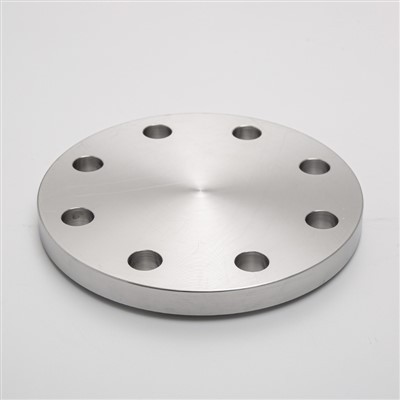
If you’re working on a project that needs butt-weld pipe fittings, or you’ve had a bad experience with a failed joint, feel free to reach out to us to talk through your needs. We can help you pick the right parts, send clear specs, and make sure you’ve got everything you need to install those fittings right the first time. No hassle, no confusing sales pitches—just real advice from people who’ve been in the trenches with these fittings for years.
B16.47 & AWWA C207 Flanges References
- Welding Research Council. Guide to Butt-Weld Fitting Installation and Quality Control, 2021.
- American Petroleum Institute. API 5L: Specification for Line Pipe, 2022.
- Stainless Steel Fabricators Association. Best Practices for Butt-Weld Joint Prep, 2020.
- National Association of Plumbing-Heating-Cooling Contractors. Piping Installation Error Prevention Guide, 2023.
Zhejiang Chengjiu Pipeline Co., Ltd.
Zhejiang Chengjiu Pipeline Co., Ltd. is one of the most professional bw pipe fittings manufacturers and suppliers in China, specialized in providing high quality customized service. We warmly welcome you to buy high-grade bw pipe fittings from our factory. For price consultation, contact us.
Address: NO.9-1 Hengsheng Road, Jinchuan Street, Changshan Prefecture, Quzhou, Zhejiang Province, China
E-mail: sale@cncjflange.com
WebSite: https://www.cncjflange.com/
