As a supplier specializing in iron pyrite as a sulfurizing agent for steelmaking and casting, I’ve witnessed firsthand the crucial role that iron pyrite plays in these industries. One of the key factors that significantly impacts its performance is the thermal stability of iron pyrite. In this blog post, I’ll delve into how the thermal stability of iron pyrite affects its performance as a sulfurizing agent in steelmaking and casting, drawing on my years of experience in the field. Iron Pyrite-steelmaking/casting Sulfurizing Agent
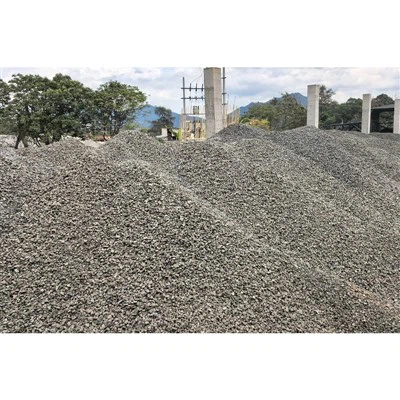
Understanding Iron Pyrite and Its Role in Steelmaking and Casting
Iron pyrite, also known as fool’s gold, is a common sulfide mineral with the chemical formula FeS₂. In the steelmaking and casting processes, iron pyrite serves as an important sulfurizing agent. Sulfur is added to steel and castings for several reasons. Firstly, it can improve the machinability of steel. By forming sulfide inclusions, sulfur can act as chip breakers during machining operations, reducing tool wear and improving the surface finish of the machined parts. Secondly, sulfur can enhance the fluidity of molten metal during casting, which is beneficial for filling complex molds and reducing the likelihood of casting defects such as porosity and shrinkage.
The Concept of Thermal Stability
Thermal stability refers to the ability of a substance to resist decomposition or chemical change when exposed to high temperatures. In the context of iron pyrite, thermal stability is of utmost importance because the steelmaking and casting processes are typically carried out at extremely high temperatures. The thermal decomposition of iron pyrite can be represented by the following general equation:
2FeS₂ → 2FeS + S₂
When heated, iron pyrite decomposes into iron(II) sulfide (FeS) and sulfur gas (S₂). The temperature at which this decomposition occurs is critical for the performance of iron pyrite as a sulfurizing agent. If the decomposition temperature is too low, the sulfur may be released prematurely, leading to loss of sulfur during the handling and pre – heating stages and potentially causing environmental pollution. On the other hand, if the decomposition temperature is too high, the sulfur may not be released in a timely manner during the steelmaking or casting process, resulting in ineffective sulfurization.
Impact on Steelmaking
In the steelmaking process, the thermal stability of iron pyrite directly affects the sulfur content in the final steel product. The electric arc furnace (EAF) and basic oxygen furnace (BOF) are two common steelmaking methods, and the requirements for sulfur addition and the thermal behavior of iron pyrite can vary slightly between them.
Electric Arc Furnace
In an EAF, scrap metal is melted by an electric arc. The melting process can take several hours, and the temperature can reach up to 1600 – 1700°C. If the thermal stability of iron pyrite is poor, the sulfur may start to decompose and volatilize during the early stages of melting. This can lead to a significant loss of sulfur, making it difficult to achieve the desired sulfur content in the steel. Moreover, the premature release of sulfur can cause the formation of sulfur – containing gases such as SO₂, which can corrode the furnace lining and pose environmental challenges.
On the other hand, if the iron pyrite has good thermal stability, it can remain intact until the appropriate stage of the steelmaking process. When the temperature reaches a level where the decomposition of iron pyrite occurs, the sulfur can be effectively incorporated into the molten steel, ensuring a more accurate control of the sulfur content.
Basic Oxygen Furnace
In a BOF, molten iron from a blast furnace is refined by blowing oxygen into the furnace. The process is relatively fast, and the temperature can also reach very high levels. The thermal stability of iron pyrite needs to be carefully considered to ensure that the sulfur is released at the right time. If the decomposition occurs too early, the sulfur may be oxidized by the oxygen blown into the furnace, resulting in the formation of SO₂ and a loss of sulfur. A well – controlled thermal stability allows for the timely release of sulfur, which can then react with the molten steel to form the desired sulfide inclusions.
Impact on Casting
In the casting process, the thermal stability of iron pyrite affects the fluidity and quality of the castings.
Fluidity
The addition of sulfur to the molten metal can improve its fluidity. When iron pyrite decomposes at the appropriate temperature during the casting process, the released sulfur can lower the surface tension of the molten metal. This reduction in surface tension allows the molten metal to flow more easily into the mold cavities, filling even the most intricate details of the mold. If the thermal stability is not well – controlled, and the sulfur is released either too early or too late, the improvement in fluidity may not be achieved, leading to incomplete filling of the mold and casting defects.
Casting Quality
The formation of sulfide inclusions in the castings also depends on the proper release of sulfur from iron pyrite. These sulfide inclusions can act as nucleation sites for the solidification of the molten metal, influencing the grain structure and mechanical properties of the castings. If the thermal stability of iron pyrite is poor, the uneven release of sulfur can result in non – uniform distribution of sulfide inclusions, which may lead to variations in the mechanical properties of the castings.
Factors Affecting the Thermal Stability of Iron Pyrite
Several factors can affect the thermal stability of iron pyrite. The purity of the iron pyrite is one of the most important factors. Impurities such as other metal sulfides or oxides can lower the decomposition temperature of iron pyrite. For example, the presence of copper sulfide can act as a catalyst and promote the decomposition of iron pyrite at a lower temperature.
The particle size of iron pyrite also plays a role. Smaller particle sizes have a larger surface area, which can increase the reactivity of iron pyrite and lower its thermal stability. Therefore, controlling the particle size distribution is crucial for maintaining a consistent thermal stability.
Ensuring Optimal Thermal Stability for Better Performance
As a supplier of iron pyrite – steelmaking/casting sulfurizing agents, we take several measures to ensure the optimal thermal stability of our products. First, we carefully source high – purity iron pyrite ores. By using advanced beneficiation techniques, we can remove impurities and improve the quality of the iron pyrite.
Second, we control the particle size of our iron pyrite products. Through a series of grinding and screening processes, we can produce iron pyrite with a narrow particle size distribution, which helps to maintain a consistent thermal stability.
We also conduct rigorous quality control tests. Using thermal analysis techniques such as thermogravimetric analysis (TGA) and differential scanning calorimetry (DSC), we can accurately measure the decomposition temperature and heat flow of our iron pyrite products. This allows us to ensure that our products meet the specific requirements of our customers in the steelmaking and casting industries.
Conclusion

The thermal stability of iron pyrite is a critical factor that significantly affects its performance as a sulfurizing agent in steelmaking and casting. A well – controlled thermal stability ensures the timely and effective release of sulfur, which is essential for achieving the desired sulfur content, improving the machinability of steel, enhancing the fluidity of molten metal, and producing high – quality castings.
Inorganic Chemicals- Pyrite-related Products As a reliable supplier of iron pyrite – steelmaking/casting sulfurizing agents, we are committed to providing high – quality products with optimal thermal stability. Our experience and expertise in the field allow us to understand the unique needs of our customers and offer customized solutions. If you are involved in the steelmaking or casting industry and are looking for a reliable sulfurizing agent, we invite you to reach out to us for further discussion. We are ready to work with you to enhance the performance of your processes and products.
References
- "Steelmaking and Refining Processes" by George E. Totten and Mihai Budinski
- "Handbook of Casting" edited by John Campbell
- "Thermal Analysis of Minerals" by G. I. Dobretsov and E. V. Stepanov
Yunfu Fuliu Mineral Materials Co., Ltd.
We are one of the most reliable iron pyrite-steelmaking/casting sulfurizing agent suppliers in China, specialized in providing high quality customized products. Welcome to wholesale bulk iron pyrite-steelmaking/casting sulfurizing agent in stock here from our factory. If you have any enquiry about free sample, please feel free to email us.
Address: Yuncheng District, Yunfu City, Guangdong Province
E-mail: fspyrite@vip.126.com
WebSite: https://www.fuliupyrite.com/
