Yo, what’s up! I’m a supplier of gypsum ceiling boards, and I’ve been in this game for a while. One question I get asked a lot is, "What’s the difference between gypsum ceiling boards and other ceiling materials?" Well, I’m here to break it down for you in plain English. Gypsum Ceiling Board
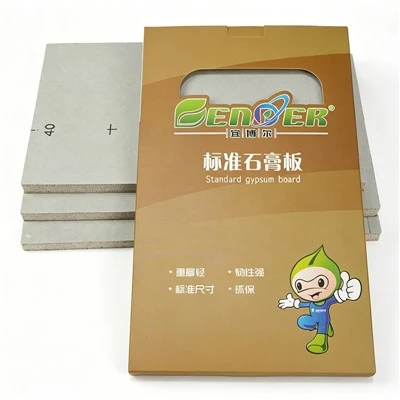
Let’s start with the basics. Gypsum ceiling boards are made from gypsum plaster, which is a soft sulfate mineral. They’re usually sandwiched between two layers of paper, which gives them strength and durability. Other common ceiling materials include metal, wood, PVC, and fiberglass. Each of these materials has its own pros and cons, and choosing the right one depends on your specific needs and budget.
Cost
One of the first things people think about when choosing a ceiling material is cost. Gypsum ceiling boards are generally more affordable than some other options, like wood or metal. They’re also relatively easy to install, which can save you money on labor costs. For example, if you’re doing a DIY project, you can probably handle putting up a gypsum ceiling on your own with a little bit of know – how.
On the other hand, metal ceilings can be quite expensive, especially if you go for high – end materials like copper or stainless steel. Wood ceilings also tend to be pricier, especially if you want a natural, high – quality wood. PVC ceilings are usually cheaper than gypsum, but they might not have the same level of quality and aesthetic appeal.
Aesthetics
When it comes to looks, gypsum ceiling boards are super versatile. You can paint them any color you want, so they can easily match the decor of your room. They also come in a variety of finishes, like smooth, textured, or embossed. With a gypsum ceiling, you can create a modern, sleek look or a more traditional, cozy feel.
Metal ceilings give a very industrial or contemporary look. They can add a touch of glamour to a space, but they might not be suitable for all styles of decor. Wood ceilings have a warm, natural look that can make a room feel inviting. However, they might not be as flexible in terms of color and style as gypsum. PVC ceilings often have a very plastic – like appearance, which some people might not find as appealing.
Durability
Gypsum ceiling boards are pretty durable as long as they’re properly installed and maintained. They can withstand normal wear and tear, and they’re resistant to fire. In fact, many gypsum ceiling boards are fire – rated, which is a big plus for safety.
Metal ceilings are extremely durable and can last a long time. They’re resistant to corrosion, especially if they’re made from materials like aluminum. Wood ceilings can also last a long time, but they need to be properly treated to prevent rot and insect damage. PVC ceilings are also quite durable and are resistant to moisture, but they might not be as strong as gypsum or metal.
Installation
Installing gypsum ceiling boards is relatively straightforward. You can attach them to a wooden or metal frame using nails or screws. They’re also lightweight, which makes them easier to handle during installation. If you make a mistake, it’s usually not too difficult to fix.
Metal ceilings can be a bit more challenging to install. They often require special tools and skills, especially if you’re installing a complex design. Wood ceilings also need to be carefully installed to ensure that they’re level and secure. PVC ceilings are usually easy to install, but they might not be as forgiving as gypsum if you make an installation error.
Sound and Insulation
Gypsum ceiling boards have good sound – insulating properties. They can help reduce noise from outside or from other rooms in your house. Some gypsum boards are even specially designed for better soundproofing.
Metal ceilings don’t have great sound – insulating properties on their own. You might need to add additional insulation if you want to reduce noise. Wood ceilings can have some sound – insulating properties, but it depends on the type of wood and how it’s installed. PVC ceilings also don’t offer great sound insulation.
Moisture Resistance
In areas with high humidity or where there’s a risk of moisture, like bathrooms or kitchens, moisture resistance is important. Gypsum ceiling boards can be treated to be more moisture – resistant. There are also special moisture – resistant gypsum boards available on the market.
Metal ceilings are generally moisture – resistant, especially if they’re made from non – corrosive materials. Wood ceilings are not very moisture – resistant and can warp or rot if exposed to too much moisture. PVC ceilings are highly moisture – resistant, which makes them a good choice for wet areas.
Environmental Friendliness
Gypsum is a natural material, and many gypsum ceiling boards are made from recycled materials. This makes them a relatively environmentally friendly option. Some manufacturers also follow sustainable practices in their production process.
Metal can be recycled, but the production of metal ceilings can be energy – intensive. Wood is a renewable resource, but if it’s not sourced sustainably, it can have a negative impact on the environment. PVC is made from petroleum – based products and is not very eco – friendly.
So, as you can see, gypsum ceiling boards have a lot going for them. They’re cost – effective, versatile in terms of looks, durable, relatively easy to install, have good sound and moisture – proofing properties in many cases, and are also somewhat environmentally friendly.
If you’re in the market for a new ceiling and are considering your options, I’d highly recommend giving gypsum ceiling boards a closer look. Whether you’re doing a home renovation, building a new commercial space, or just looking to spruce up an old room, gypsum ceiling boards can be a great choice.

If you’re interested in learning more or want to get a quote for your project, feel free to reach out. I’m always happy to answer any questions you might have and help you find the perfect gypsum ceiling boards for your needs. Let’s start a conversation and see how we can make your ceiling dreams a reality!
Suspended Ceiling Gypsum Board References
- "Building Materials Handbook", various authors, general information about different construction materials including gypsum, metal, wood, and PVC.
- Industry research reports on ceiling materials, which provide data on cost, durability, and installation aspects.
Shandong Hongyuanli Building Materials Co., Ltd.
We are one of the most professional gypsum ceiling board manufacturers in China, also support customized service. With abundant experience, we warmly welcome you to buy high quality gypsum ceiling board for sale here from our factory. Contact us for more details.
Address: NORTH YOON VILLAGE, HUYANG TOWN, FEI COUNTY, SHANDONG PROVINCE, CHINA
E-mail: admin@hylgypsum.com
WebSite: https://www.hylgypsum.com/
