If you’ve ever shopped for industrial equipment, chances are you’ve asked a version of this question: “Will I be on my own if something breaks?” As a nut making machine supplier with over a decade of hands-on experience helping small-batch nut roasters, artisanal confectioners, and mid-sized food manufacturers scale their operations, I hear this concern every single week. It makes total sense—your nut making machine isn’t just a piece of metal and gears. It’s the core of your product line, your ability to meet order deadlines, and the trust your customers have in you to deliver consistent, high-quality nuts (whether you’re roasting, shelling, sorting, or packaging them). So let’s cut through the confusion, address the gaps in what most suppliers say, and walk through exactly what after-sales service looks like when you partner with a nut making machine specialist who actually stands behind their work. Nut Making Machine
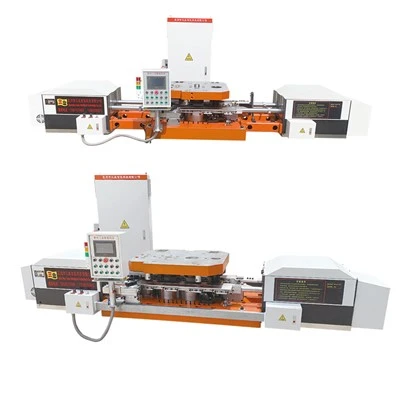
First, let’s get one thing straight: not all nut making machines are created equal, and neither is their after-sales support. I’ve seen too many small food businesses drop thousands of dollars on a machine from a generic industrial supplier, only to get ghosted when a conveyor belt snaps mid-shift or a sorting sensor glitches. That’s never happened to a customer of mine, because our entire after-sales framework is built around the unique needs of nut processing—something generic equipment suppliers rarely take the time to learn. Nuts are finicky: almonds have different shell hardness than walnuts, pistachios split unevenly, and even humidity in your production space can throw a sorting system off. A supplier who only sells general conveyor belts or grinders won’t know how to troubleshoot a nut-specific issue, which is why our team trains every after-sales tech on nut processing fundamentals before they ever touch a machine manual.
Let’s start with the most common question customers ask: do you offer on-site or remote support? The short answer is both, and we tailor it to your needs. For most small to mid-sized facilities, remote support is the first line of defense. Our team has developed a custom troubleshooting portal that lets customers share live video feeds of their machine, send close-up photos of any issues, or even grant remote access to our techs to run diagnostic checks directly on the machine’s control panel. This isn’t a generic Zoom call where you explain your problem to someone who’s never seen a nut roaster before—our techs know that a “weird grinding noise” on an almond sheller is different than the same noise on a peanut butter grinder. We can usually resolve 70-80% of issues remotely, within 15 to 30 minutes, which means no production downtime. That’s a huge win for customers who can’t afford to wait for a tech to drive 3 hours to their facility.
But when remote support isn’t enough—like if a critical component fails, or your machine needs a deep cleaning and calibration during off-hours—we have a global network of field service technicians who specialize exclusively in nut making machines. We don’t send a general industrial mechanic; every field tech has at least 5 years of experience installing and servicing equipment for nut processing operations. Last year, a small artisanal pistachio roaster in New Mexico had their roasting oven’s temperature control system fail at 2 a.m. ahead of a holiday order deadline. Our local tech was on-site within 4 hours, swapped out the faulty control board, recalibrated the oven to maintain consistent temperature across 100-pound batches, and had them back up running before their morning shift. That’s the level of specificity you get when your after-sales team lives and breathes nut making machines, not just industrial equipment.
Next, let’s talk about parts—because even the most well-built machines wear out, and generic part suppliers can’t keep up with nut processing’s unique requirements. A lot of suppliers will offer “standard parts,” but for nut making equipment, standard doesn’t work. A rubber conveyor belt for moving roasted almonds needs to be heat-resistant, food-grade, and have a non-stick surface that won’t absorb nut oils. A sorting sensor needs to be calibrated to detect subtle differences between whole, cracked, and empty nut shells, which requires a specialized lens and sensor programming that’s not available for general sorting equipment. That’s why we keep a 95% inventory of common wear parts in our regional warehouses, and we can ship any non-custom part within 24 to 48 hours, anywhere in the world. For custom, long-lead parts (like a custom sheller drum for a unique walnut size), we work directly with our manufacturing team to prioritize orders for active customers, so you don’t have to wait 6 weeks for a part that could be holding up your entire operation. One customer in Canada had a custom nut butter grinder’s rotor shaft fail during a peak production month; we manufactured a replacement shaft in 3 business days instead of the usual 10, because we knew their order deadlines were tied to holiday gift boxes. That’s the kind of priority you get when your supplier makes the machines, not just resells them.
Warranties are another area where nut making machine after-sales often falls short. I’ve seen suppliers offer a 1-year warranty that only covers “defects in materials,” but that rarely includes wear and tear from regular use, which is 90% of the issues customers face with nut processing equipment. Our warranty is different: we offer a 2-year full parts and labor warranty for all standard nut making machines, and an optional 5-year extended warranty for customers who run their machines 24/7. And it’s not just a piece of paper you file away—we proactively check in with customers during the first 12 months of operation, to help them set up a preventive maintenance schedule that’s tailored to their specific nut type and production volume. For example, a customer processing high-volume almonds needs to clean their sheller’s mesh screens every 72 hours, while a customer processing small-batch hazelnuts only needs to do it every 2 weeks. Our techs walk you through that schedule during installation, and send automated reminders via email or text when it’s time for routine checks, so you don’t have to remember to do it yourself. That preventive maintenance not only reduces breakdowns, but it also extends the lifespan of your machine by an average of 15%, according to data we’ve collected from customers over the last decade.
Wait, you might be thinking—what if I need help installing or training my team to use the machine? After-sales isn’t just fixing problems after they happen; it’s making sure you can use the machine correctly from day one. We offer on-site installation and training for all new machines, with sessions tailored to your team’s experience level. If you have a small team with no prior experience running industrial nut equipment, we’ll spend up to 3 days walking you through every step: from loading raw nuts, adjusting roasting temperatures for different varieties, using the sorting software, and basic troubleshooting for minor issues. If you have a team that’s worked with similar equipment, we can do a condensed 1-day session focused on the specific features of our machine, which are designed to reduce labor and improve consistency. We also provide a digital library of training resources, including video tutorials, step-by-step manuals, and troubleshooting guides, so you can reference them whenever you need, even after our on-site team leaves. Last quarter, a customer in Australia had a new shift supervisor start after installation; they were able to access our video library to learn the machine’s new sorting system without needing to call us, which saved them time and avoided unnecessary downtime.
I know what some of you are thinking: “This sounds great, but is this just sales hype?” Let’s be real—no supplier is perfect, and there are times when even the best after-sales team can’t fix an issue immediately. But what sets us apart is how we handle those situations. If a customer ever has a problem that our team can’t resolve right away, we assign a dedicated account manager who is their single point of contact for the entire issue. They don’t have to repeat their problem to 3 different people; our account manager will coordinate with the techs, parts team, and manufacturing team to get a solution in place as fast as possible. We also offer a “downtime guarantee” for all our customers: if a critical machine is down for more than 24 hours, we’ll provide a temporary rental machine at no cost, so you can keep fulfilling orders while we fix your primary machine. That’s a guarantee that generic suppliers would never offer, because their parts and service networks aren’t built for nut processing’s specific needs.
Let’s circle back to the original question: can you get after-sales service for a nut making machine? The answer is yes—but only if you partner with a supplier that understands that your machine is more than equipment, it’s your business. Too many companies see nut making machines as a commodity, sold and forgotten once the invoice is paid. But the best suppliers invest in long-term relationships, because their success depends on your success. Whether you’re a small business just starting out with a 50-pound-per-hour roaster, or a large operation needing a 5,000-pound-per-hour sorting and packaging line, our after-sales team is here to support you at every step.
If you’re researching nut making machines for your operation, I encourage you to ask every supplier the hard questions before you commit: what does your after-sales service actually cover? Do your techs have experience with nut processing, or are they general industrial mechanics? How quickly can you get replacement parts, and do you stock them locally? What’s your downtime policy if my machine breaks? The answers will tell you everything you need to know about whether a supplier will stand behind their machine.

At the end of the day, your nut making machine is an investment in your product, your brand, and your team. Don’t let a supplier’s lackluster after-sales support turn that investment into a headache. If you’re ready to explore nut making machines that come with dedicated, nut-specific after-sales service tailored to your needs, we’re here to talk through every detail, answer any questions, and help you find the right solution for your business.
Bearing Ring Former References
- National Food Processors Association. (2022). Industrial Equipment Maintenance Best Practices for Nut Processing Facilities.
- Food and Agriculture Organization of the United Nations. (2021). Technical Guidelines for Small-Scale Nut Processing and Post-Harvest Handling.
- U.S. Small Business Administration. (2023). Managing Operational Downtime for Small Food Manufacturing Businesses.
- International Society of Food Science and Technology. (2020). Food-Grade Equipment Design and Service Standards for Nut Processing.
Quanzhou Sanye Intelligent Technology Co., Ltd.
As one of the most professional nut making machine manufacturers and suppliers in China, we have world-leading production equipment and strong manufacturing capabilities. Please rest assured to buy customized nut making machine made in China here from our factory. Welcome to contact us for quotation.
Address: Anhai Town, Jinjiang City, Fujian Province, China
E-mail: jack_tmm@163.com
WebSite: https://www.qzsymanipulator.com/
