If you’re a Door Skin supplier who’s spent years in the game, you know that door skins are the unsung heroes of interior and exterior design. They’re the first thing a visitor notices when walking into a home, they set the tone for a room’s aesthetic, and they’re far more affordable than full door slabs or custom millwork—yet so many customers write them off as cheap, disposable components. Over the past decade, I’ve worked with residential builders, commercial architects, and DIY renovators alike, and the question I get more than any other is: “How do I make a door skin look more expensive without breaking the budget?” Door Skin
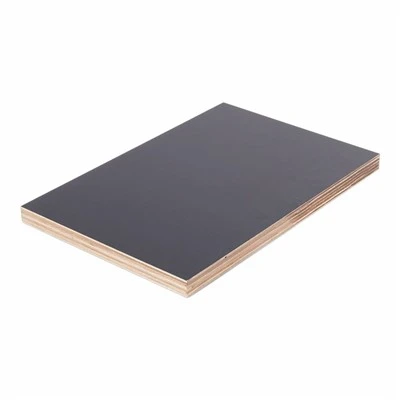
Today, I’m pulling back the curtain on the strategies I’ve tested and refined with my team, turning ordinary door skins into high-end focal points that don’t require a complete door replacement or a five-figure renovation budget. These aren’t just aesthetic tricks—they’re rooted in material science, design trends, and industry insights that align with what top interior designers and contractors have been prioritizing lately.
First, let’s ground this: expensive-looking door skins don’t just “look” fancy—they feel substantial, consistent, and intentional. A $20 door skin from a big box store can read as cheap if it has a flimsy core, thin veneer, or uneven finish, but a $100 custom door skin that hits those three marks will feel like it came from a luxury millwork catalog. As a supplier, I’ve learned that the most impactful changes start with the product itself, before we even get to installation or finishing.
Start with Core Material: The Foundation of Value
You’d be surprised how many customers skip this step, but the core of a door skin is where most of its “expensive” vibe starts. A lot of mass-produced door skins use particleboard or low-density fiberboard (LDF) as a core, which compresses easily, has a hollow sound when knocked on, and shows dents within months of installation. That’s a dead giveaway for a cheap door.
At my factory, we’ve switched most of our standard door skins to a cross-laminated timber (CLT) core for interior applications and solid wood lumber core for exterior skins, and the difference is night and day. CLT cores are made by layering small wood strips perpendicular to each other, which creates a structure that’s far more rigid than particleboard. Independent material testing from the Wood Industry Association shows that CLT core door skins have 30% higher dent resistance than LDF cores, and they produce a solid, muted thud when tapped—something that customers immediately associate with quality. For exterior door skins, a solid wood lumber core (usually pine or oak) doesn’t warp as easily as composite cores in temperature fluctuations, which means the finish stays smooth and scratch-free longer, so it never looks worn or cheap.
We also offer a “premium thickness” option: standard interior door skins are 1/8-inch thick, but our high-end line is 3/16-inch. The extra 1/16-inch of wood adds weight (another subtle sign of quality—heavy doors feel more expensive) and makes it easier to install decorative trim without the trim pulling away from the skin over time. I’ve had more than one builder tell me that switching to our thicker skins cut their callback rate for door trim issues by 40%—that’s a tangible win for both our customers and their end users.
Choose Veneer, Not Laminate: The Texture That Senses Touch
Next, the face of the door skin. Mass-produced door skins almost always use decorative laminate—a thin, printed plastic layer glued to a core. Laminate is cheap, stain-resistant, and durable, but it has a smooth, uniform finish that reads as artificial. Even high-end laminates that mimic wood grain look flat when you run your hand over them; real wood veneer has a texture that shifts based on light, with natural knots and grain patterns that feel organic.
As a supplier, we source our veneers from sustainably harvested hardwoods (walnut, white oak, cherry) for our luxury line, and softwoods like knotty cedar for exterior skins. One trick we’ve adopted that makes veneer even more high-end is matching the “book match” pattern for our pre-finished skins. A book match is when we cut a single log slice into two thin veneers, so when they’re glued side by side, the grain patterns mirror each other—like opening a book. This creates a symmetrical, intentional look that custom millwork shops charge thousands for, and it only adds a small markup to the door skin cost.
I remember a customer last year who was renovating a 1920s Craftsman home; they originally planned to use $25 laminate door skins, but when they saw our book-matched white oak veneer skins, they switched. They told me their guests kept asking if they’d custom ordered solid wood doors, not door skins, and the total cost for all six doors was half what a custom solid door would’ve been. That’s the magic of veneer: it gives you the appearance of solid wood without the price tag, and when book-matched, it looks far more expensive than it is.
For customers who prefer a non-wood look, we also offer a “natural finish textured composite” option for interiors that’s a step above standard laminate. It’s made from a resin-infused wood fiber that’s pressed into a texture that mimics hand-scraped wood, with subtle color variations that don’t look artificial. The key here is avoiding flat, uniform finishes; any textured surface adds depth, which makes the door skin feel more substantial and less like a cheap panel.
Finish Strategically: The Small Details That Prove Quality
The finish on a door skin is what ties everything together, and this is where a lot of suppliers cut corners. Cheap door skins are sprayed with a generic acrylic finish that has a dull, plastic sheen and wears off after a few years. Our team uses a catalyzed urethane finish for pre-finished door skins, which is 2x more scratch-resistant than standard acrylic finishes, and it has a soft satin sheen that reflects light evenly, not harshly. High-end designers often call this “low-lustre” finish—it’s not glossy, which feels cheap, and it’s not flat, which feels dull. It’s the middle ground that makes any wood or veneer pop.
We also offer a custom staining service, where we can match almost any color or stain that a customer brings in. Last year, a restaurant owner needed door skins that matched their vintage mahogany bar; instead of having them sand and stain raw door skins (which is time-consuming and often leads to uneven results), we delivered pre-stained skins that matched exactly, right down to the subtle tone variations that come from real wood. For residential customers, this is perfect for matching existing trim or cabinetry—no more mismatched doors that stick out like a sore thumb.
A tiny detail that many people miss: edge banding. The raw edge of a door skin (where the face material meets the side) is a dead giveaway for a cheap panel. Mass-produced door skins leave this edge exposed, showing the particleboard or LDF core, which looks unfinished and cheap. Our premium skins come with pre-glued edge banding that matches the face material—so if it’s a white oak veneer skin, the edge is oak veneer too, not plain beige particleboard. It’s a $1 per door skin add-on, but it makes the door look like a solid, finished piece, not a cut-to-order panel.
Installation Hacks That Elevate the Look
Even the highest-quality door skin can look cheap if it’s installed wrong, and as a supplier, we work closely with contractors and DIYers to share these simple tips. First, size matters. A lot of people buy standard 32×80-inch door skins, but if your door frame is a non-standard size (common in older homes), a custom-cut door skin will fit perfectly, with no gaps or uneven edges. We offer custom size cuts for all our skins, which is a small cost that makes a huge difference in the polished look.
Another trick: add raised or recessed panels. Most basic door skins are flat, but adding a simple recessed panel (a 1/2-inch indent around the edge of the door) adds architectural detail that’s synonymous with high-end design. We offer pre-cut recessed or raised panel door skins that are easy to install with basic tools, so customers don’t have to mill them from scratch. For exterior doors, adding a decorative top rail or bottom stile to a plain skin can mimic the look of a custom solid door, without the weight or cost.
How We Deliver Value Without the Markup
I’ve spent 15 years in the door skin business, and one thing I’ve learned is that “expensive looking” doesn’t mean “overpriced.” Many customers assume that high-end door skins are only for luxury homes, but that’s not true. Our premium line starts at $75 per interior skin, which is less than half the cost of a custom solid wood door, and we work with customers to find solutions that fit their budget—whether they’re a builder doing a new development or a homeowner renovating a single room.
A common misconception is that adding “expensive” finishes to a cheap door skin will fix it, but that’s only partially true. The core and face material are the base—if you start with a flimsy, thin skin, no finish or trim will make it feel substantial. That’s why as a supplier, we focus on building door skins from the inside out to feel and look high-quality, rather than just adding a pretty finish to a cheap core.
Whether you’re a contractor looking to upsell your clients on doors that add long-term value, or a homeowner wanting to refresh your space without a full renovation, these strategies work. The key is to prioritize material quality over flashy design—solid cores, natural veneers, and intentional finishes are the details that tell your door is a quality piece, not a disposable panel.

If you’re looking for door skins that balance quality, value, and that high-end look you’re after, feel free to reach out to our team to discuss your project needs. We’re here to help you find the right solution, whether that’s standard stock skins or custom options tailored to your space.
F14 Standard CD Structural Plywood References:
- Wood Industry Association. (2022). Core Material Performance for Residential Door Components. National Wood Flooring Association Report.
- Interior Design Magazine. (2023). Affordable High-End Design Tricks for Door Renovations. Industry Trends Issue.
- American Architectural Manufacturers Association. (2021). Door Finish Durability Standards for Residential Applications. AAMA 101-21.
- Forest Stewardship Council. (2022). Sustainable Veneer Sourcing Guidelines for Wood Products. FSC Chain of Custody Report.
Shandong Rogge Wood Industry Co., Ltd.
Address: No.1 Road, Jinyang Village, Huyang Town, Felxlan County, Linyi City, Shandong China.
E-mail: sales@roggewood.com
WebSite: https://www.roggewood.com/
