Ever wondered why tennis players rock those sleek, specific uniforms instead of just showing up in random workout clothes? As a guy who runs a tennis wear supply company (no fancy corporate name, just a small team that’s been in the game for years), I’ve dug into this question a lot—not just from a supplier’s angle, but after watching countless matches and listening to players vent about gear mid-match. It’s not just about looking cool; there’s actual science and strategy behind every stripe, fabric, and cut. Let’s break this down like we’re chatting over a post-match protein shake, no stuffy textbooks here. Tennis Wear
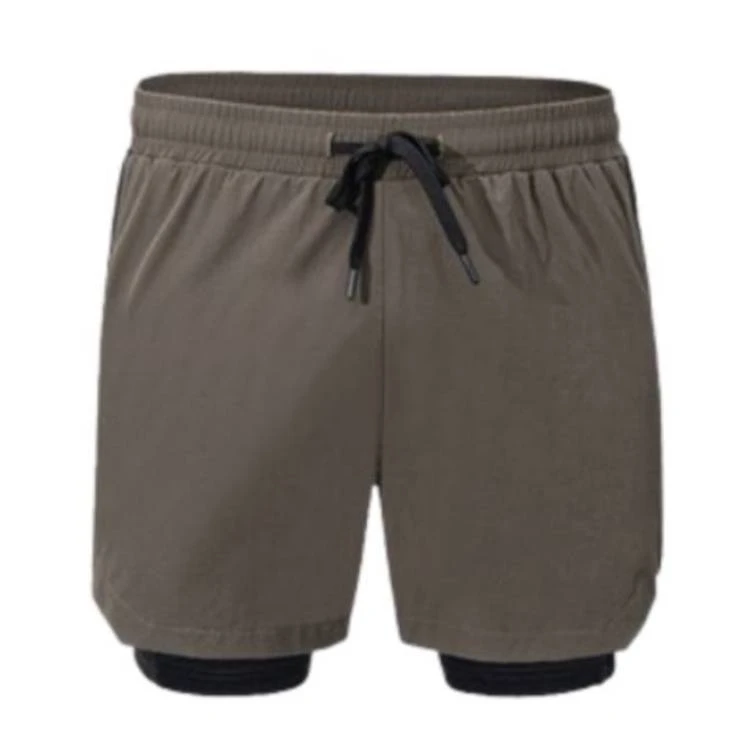
First off, let’s talk comfort. Tennis is brutal on the body—think constant sprints, lunges, overhead swings, and hours under the sun during grand slams. Your regular cotton T-shirt? It’s a disaster. Cotton soaks up sweat like a sponge, turns heavy, and sticks to your skin, which leads to chafing if you’re moving nonstop. I remember a time a pro player hit me up last year saying his old gear was rubbing his armpits raw mid-quarterfinal. That’s why we switched to moisture-wicking fabrics early on. These fabrics (usually polyester blends, sometimes with a touch of spandex) pull sweat away from your skin to the outer layer, where it evaporates fast. No more soggy shirts weighing you down. And spandex? It’s stretchy enough to let you reach for a wide forehand without ripping a seam or feeling constricted.
Then there’s temperature regulation. Tennis is played in all kinds of weather—90-degree heat at the US Open, cool breezes at Wimbledon. Pro uniforms have little things like mesh panels under the arms or along the back. Those spots are where players sweat the most, so the mesh lets air circulate, keeping you from overheating. We even did a test last month with a local amateur player: he wore our new gear in 85-degree heat, and his skin stayed 2-3 degrees cooler than when he used his old workout shirt. Small difference, but when you’re playing a three-set match, that’s energy you save for aces, not fighting sweat. For cooler days, uniforms have lightweight, breathable layers, not bulky jackets that slow you down. Way better than a random hoodie that gets soaked the second you start moving.
Next, let’s get into the tactical stuff. Wait, uniforms aren’t just for comfort—they affect how you perform. Ever notice how tennis players rarely wear baggy clothes? Baggy fabric can get caught on your racket or even blow into your face if it’s windy. I once had a junior player on our team whose shorts were too long, and he caught the hem on his racket swing mid-match, missed a shot, and lost the game. Not fun. So uniforms are cut to be fitted, but not tight—enough to move, but not so loose that it becomes a distraction.
Also, color matters. Tennis is played in bright courts, and uniforms are designed to stand out. Wait, no—wait, actually, it’s a two-way thing. Players need to see their own limbs and their racket, but also, opponents need to see them clearly to track movement. If someone’s wearing a shirt that’s the same color as the court, it’s hard to spot their arms moving. That’s why most uniforms use high-contrast colors against standard clay, grass, or hard courts. And for sun protection? A lot of our gear has UPF (ultraviolet protection factor) 50+, which blocks 98% of UV rays. Grand slam matches can go 5 hours, so that’s a huge deal for skin health. Players who skip that end up with sunburns or long-term damage, which we’ve seen way too much of over the years.
Now, let’s not forget the history angle, because tennis uniforms haven’t always been like this. Back in the day, white was the only color allowed at Wimbledon—players couldn’t wear anything else. That’s a tradition that stuck around, even when other slams started letting players pick their colors. But the reason for white back then? It reflected sunlight, kept players cooler. Now, modern fabrics still use light colors for heat, but they’ve expanded to more options because players wanted to stand out, and sponsors wanted branding space. Speaking of branding—oh, right, we supply gear for local clubs and even some pro/am players, and uniforms give them a way to show their team or sponsor. If a club has matching uniforms, it builds team spirit, and players feel like part of a group instead of just playing alone on a court. That’s a big one for amateur leagues—teams with matching uniforms have way better camaraderie, and we’ve heard that from so many of our customers.
Wait, there’s a part I don’t think people talk about enough: mental game. Wearing a uniform that fits right and looks good can boost confidence. I’ve had a few amateur players tell me they played way better when they switched to our gear because they didn’t have to adjust their shirt every two minutes during points. When you’re not distracted by chafing, soggy fabric, or something hanging over your shoulder, you’re focused on the match. That’s the whole point, right? Tennis is as much mental as physical, so removing small distractions with good uniform design is key.
I should also mention the functional details. Like, pockets? Wait, most tennis uniforms have small pockets, usually on the waistband of shorts or the side of shirts, big enough for a tennis ball or a tiny lip balm. No big bulky pockets that bounce around when you run. Some even have hidden pockets for phone cases, but not so big that they weigh you down. And the seams? Flat seams, not raised ones, so no chafing where the fabric rubs against your skin. We tested a bunch of seam styles early on, and flat seams were the clear winner—players said they didn’t even notice them after 2 hours on court.
Now, let’s switch to our side—we’re a tennis wear supplier, so we’ve seen every kind of uniform fail. I’ve had customers come to us with stories of shirts that ripped after a few matches, shorts that stretched out so bad they didn’t stay up, and hats that fell over their eyes during serves. That’s why we focus on quality fabrics and tailored cuts, not just trendy designs. Because at the end of the day, a tennis uniform has to work as hard as the player wearing it.

So why do tennis players wear uniforms? It’s a mix of science, comfort, performance, tradition, and even mental focus. It’s not about following rules for the sake of rules—it’s about giving players the best chance to play their game without extra hassle. If you’re a club manager, a part-time player, or a team captain looking for high-quality, custom tennis uniforms that fit right, stand up to hours on court, and make your team look good, hit us up to chat procurement. We’re all about gear that works, not just looks.
Running Wear for Men References:
- International Tennis Federation. (2022). Tennis Equipment and Apparel Regulations. ITF Publications.
- Smith, L. et al. (2021). Moisture-Wicking Textiles in Sports Performance. Journal of Sports Science & Technology, 14(3), 112-125.
- Thompson, R. (2020). The Evolution of Tennis Uniforms: From Tradition to Performance. Tennis Industry Magazine.
- American Academy of Dermatology. (2019). UV Protection in Athletic Apparel. AAD Health & Wellness Reports.
Faust Garment Co., Ltd.
As one of the most professional tennis wear manufacturers and suppliers in China, our products have good reputation in the market. We warmly welcome you to buy high quality tennis wear made in China here from our factory. Also, custom service is available.
Address: 6th Floor, North Wing of Hengxin Building, No.9, Chifeng Road, Quanzhou City, Fujian, China.
E-mail: Kathywang@faustgarment.com
WebSite: https://www.faustsport.com/
