Hey there! If you’ve ever stared at a grocery store produce bag, a wrap around a new tablet, or the bubble mailer that just dropped your online order on your porch, you’ve probably interacted with low density polyethylene (LDPE) film without even realizing it. I’m not some lab coat-wearing scientist rambling about resin specs all day— I’m the owner of a small, family-run polyethylene film supply company, and I’ve shipped this stuff to farms, bakeries, tech shops, and construction crews across the country for 12 years. Polyethylene Film
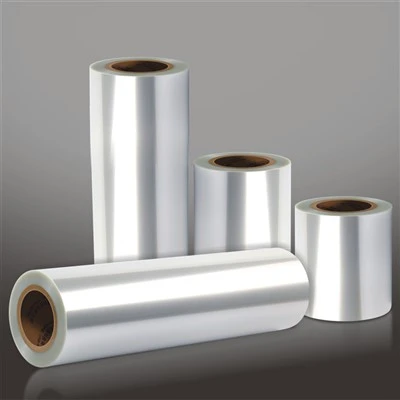
A lot of folks who reach out to me first go, “Wait, LDPE? Is that the same as the plastic bags that break at the bottom of your trash can?” Sort of! LDPE is the base resin, and film is just one of the most common, versatile ways we turn that soft, moldable plastic into something actually useful. Unlike high density polyethylene (HDPE) which is stiffer and used for things like milk jugs, LDPE’s low molecular weight and super flexible molecular chain make it the go-to for 90% of the soft plastic films you encounter daily. It’s not just flimsy grocery bags, either— trust me, I’ve seen it do way more heavy lifting (pun totally intended) than people give it credit for.
Let’s start with the stuff that touches your food every single day. Produce bags? 9 times out of 10, that’s LDPE film. Why? Because it’s thin enough to not make a head of lettuce feel bulky, but tough enough that it won’t tear the second you stick your hand in a bin of apples. Plus, it’s inert— meaning it won’t leach weird chemicals into your strawberries or a block of cheese, which is a huge win for food safety. I recently shipped a pallet of custom-printed LDPE bags to a small organic farm in Vermont that sells their greens at farmers’ markets; they love that we can add a little stamp with their farm name and “wash within 3 days” right on the film, so customers don’t need extra paper labels. Then there’s the shrink wrap that covers cases of soda, water bottles, or even a whole box of cereal bars. LDPE’s got great heat-shrinking properties— when you run a heat gun over it, it tightens perfectly around a package, holding everything secure during shipping and storage. My go-to for food-related LDPE is also the stretch wrap used on pallets of baked goods; since it’s flexible, it clings to itself (no adhesive needed!) so you can wrap a stack of cookie trays or a case of pie fillings tight, and it won’t rip even if a fork accidentally pokes through a box it’s sitting on.
Wait, let’s not sleep on packaging for non-food stuff, either. If you’ve ever ordered a new laptop or a pair of sneakers online, that thin, crinkly plastic bubble mailer or the protective film wrapped around the product itself? That’s LDPE. It’s cheaper than other plastics, which is a big plus for e-commerce brands that move thousands of orders a day, and it’s lightweight, so it keeps shipping costs low. I’ve worked with a startup that sells handmade jewelry; they use ultra-thin LDPE film to wrap each necklace before putting it in a box, because it’s soft enough not to scratch the metal, but strong enough to stay sealed during transit. No more broken chains or customer complaints— that’s the kind of small, reliable use LDPE is perfect for. Even things like the plastic wrap that covers furniture at a moving company or the bags that hold your dry cleaning when you pick up a suit? Total LDPE. It’s durable enough to not split when you’re shoving a comforter in it, and it seals pretty well, keeping dust and bugs out.
Now, this is where people always go, “Wait, it’s plastic— is it only for wrapping stuff?” Nope, not even close. Construction is a huge market for LDPE film, and it’s not the fancy, industrial stuff you might see on a movie set. I ship tons of 6-mil and 10-mil LDPE sheeting (that’s just thick film, for anyone who doesn’t know the mil measurement— 1 mil is 1/1000 of an inch) to contractors and roofing crews. It’s used as a vapor barrier under new floors— whether that’s hardwood, tile, or laminate— to keep moisture from seeping up from the concrete and warping the wood. Way cheaper than tarps or other vapor barriers, and it’s flexible enough to lay down in tight corners of a basement. We also send rolls of clear LDPE film to pool companies to cover unfinished pools during construction, and even to gardeners as greenhouse plastic. Wait, greenhouse plastic is often HDPE, but LDPE is super popular for hoop houses and low tunnels for small-scale farmers! It’s transparent enough to let sunlight through, durable enough to hold up against wind and light hail for a whole growing season, and way more affordable than glass or acrylic. Last spring, I shipped 50 rolls of 4-mil LDPE film to a group of urban gardeners in Chicago for their community plots— they said it kept their tomato plants warm enough to start producing two weeks earlier than without it. That’s the kind of practical, everyday impact I love hearing about.
Oh, and let’s not forget the industrial and agricultural stuff that doesn’t hit your grocery run, but keeps the world turning. Farmers use LDPE film for silage wrap— that thick, stretchy film that covers hay bales to keep them fermented and feed cattle through the winter. It has to be tough enough to resist punctures from thorns or animal claws, and tight enough to keep air out so the hay doesn’t go moldy. I’ve also worked with landscape companies that use black LDPE film as a weed barrier under mulch; it blocks sunlight so weeds can’t grow, but lets water and nutrients seep through to the plants below. Way easier to lay than fabric weed barriers, and it’s cheap enough to cover an entire acre of a new subdivision’s landscaping. For factories, LDPE film is used as a liner for trash bins, as packaging for raw materials, even as a protective cover for heavy machinery during shipment— anything that needs a flexible, durable, and cost-effective plastic barrier.
Now, I know what a lot of people are thinking these days: “LDPE is plastic, isn’t it bad for the planet?” I’m not gonna lie, it’s not perfect. But here’s the thing: LDPE is one of the most recyclable plastics out there. It’s number 4 on the resin code, so most curbside recycling programs take it (just make sure you rinse out those old produce bags before tossing ’em in, and don’t clog up the bin with a whole roll of shrink wrap). A lot of people don’t know that you can recycle LDPE film into new things like decking, playground equipment, even new plastic bags. We’ve actually partnered with a local recycling center that takes our off-cuts from custom film orders, melts ’em down, and turns ’em into park benches. It’s not zero-waste, but it’s way more sustainable than a lot of other single-use plastics, and we work hard to make sure we’re minimizing waste in our own operations— no need to order 1000 extra rolls if you only need 50, right?
At the end of the day, LDPE film isn’t glamorous. It doesn’t get the same hype as reusable straws or compostable packaging, but it’s the workhorse of the plastic world. Every time you grab an apple from the grocery store, order a new pair of boots online, or drive past a new house being built, there’s a good chance LDPE film played a part in getting that item to you. If you’re a farmer needing silage wrap, a small business looking for custom shipping mailers, a contractor needing vapor barrier, or anyone who works with films and packaging, I’m here to help. We don’t do the super fancy, overpriced stuff— we do reliable, high-quality LDPE film that gets the job done, no hidden fees, no surprise lead times. Just send over what you need, how much, and if you have any custom specs (like printing, thickness, or color), we can work that out too.
Cast Polypropylene Film If you’ve got questions about which type of LDPE film is right for your project, or you’re ready to place an order, just reach out. I’m on the line most days, happy to chat through specs, answer questions about recyclability, or even help you figure out if LDPE is the right fit (if it’s not, I’ll even point you to a supplier that can get you what you need). No pressure, no sales pitch that makes you want to hang up— just a guy who’s been in the polyethylene film game for a long time, trying to help people get the stuff that makes their lives easier.
References
- Plastics Industry Association. (2023). Low Density Polyethylene (LDPE) Applications and Properties.
- American Society for Testing and Materials (ASTM). (2022). Standard Specification for Polyethylene Films for Agricultural Applications.
- National Posture Standards Board. (2021). E-Commerce Packaging Materials: Low Density Polyethylene Film Usage Guide.
- U.S. Environmental Protection Agency (EPA). (2022). Plastic Recycling: LDPE Resin (Resin Code 4) Factsheet.
Qingzhou Huiyuan Packaging Materials Co., Ltd.
As one of the most professional polyethylene film suppliers in China since 1997, we’re featured by quality products and good service. Please feel free to buy cheap polyethylene film made in China here from our factory. For price consultation, contact us.
Address: Naoshan Industrial Park, Shaozhuang Town, Qingzhou City, Weifang, Shandong Province, China.
E-mail: 15864598133@163.com
WebSite: https://www.huiyuanfilms.com/
