Hey everyone, it’s [Your Team Name, no fancy stuff] here, and if you’re reading this, chances are you’re either in the construction game, a facility manager, or maybe a small business owner who’s started using EPS sandwich panels for their warehouse, office, or even a retail space. Let’s cut to the chase: EPS panels are the workhorses of the building industry—light, energy-efficient, cheap compared to other options, and super versatile. But here’s the thing: you can’t just install them and forget ’em. Dirt, grime, mold, and even stray paint can build up over time, and if you don’t clean ’em right, you’re not just risking their looks—you might be messing with their insulation, structural integrity, or even warranty. As a supplier who’s shipped thousands of these panels over the years, I’ve seen way too many clients mess up a simple clean job. So today, let’s break this down like we talk to our regulars: no jargon, no fancy steps, just what works. EPS Sandwich Panels
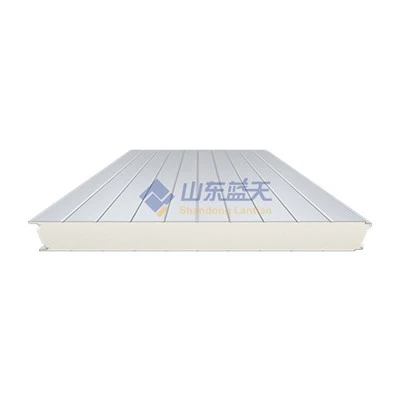
First, let’s make sure we’re on the same page about what EPS sandwich panels are, because a lot of folks mix ’em up with regular foam boards or other insulated panels. EPS stands for Expanded Polystyrene, the foam core, and the “sandwich” is two thin sheets of metal (usually steel, sometimes aluminum) on either side. That metal skin is your first line of defense, but it’s thin—like, 0.4mm to 0.6mm thin—so you can’t go scouring it with a steel brush or harsh chemicals, that’s a quick way to scratch through the metal and expose the foam to moisture, which kills insulation. The foam core itself is porous (when it’s new, it’s sealed, but over time, small scratches or gaps can let water in) so it hates being soaked for hours, and it’s sensitive to some chemicals, like acetone or strong acids. Got that? So any method we use has to protect both the metal face and the EPS core.
Let’s start with the basics: what you’ll need. I’ve heard people ask if you need special tools, and the answer is almost no. Most of the stuff is stuff you’ve already got in the garage or supply closet. Let’s list it simply:
- A soft-bristle brush (not a hard one—think a car wash brush, not a deck scrubber)
- A low-pressure power washer (if you use one at all—pro tip: skip the high-pressure ones, they’ll blow the seams apart if you’re not careful)
- Mild dish soap (dawn works great, it cuts grease without being harsh—skip the antibacterial kind, the additives can eat at the metal’s protective coating)
- A bucket of warm water
- A soft microfiber cloth or sponge
- White vinegar (for light mold or mildew spots, it’s a natural cleaner, way better than bleach for this)
- A squeegee (to dry the panel after, so water doesn’t streak or seep into gaps)
Wait, let’s talk about power washers for a second. A lot of people grab their 3000 PSI job for a quick clean, but EPS panels don’t play that. High pressure can drive water into the seams between panels, which causes the foam core to absorb moisture—wet foam loses 30-50% of its insulation value, according to the insulation guys I work with. We recommend max 1500 PSI, and even that, hold the nozzle 12-18 inches away, at a 45-degree angle, not straight on. If you can, skip the power washer entirely for regular cleaning—hand scrubbing is way safer, no risk of damaging the panels.
Now, let’s break this down by how dirty the panels are. Because cleaning a dusty warehouse wall is way different than cleaning a panel with paint splatters or mold around a leaky HVAC unit.
First, regular light cleaning—this is the stuff you should do every 3-6 months, depending on where your panels are. If they’re on a warehouse exterior, they’ll get dirt, dust, bird droppings, maybe some pollen. If they’re interior walls, it’s just dust and maybe some scuffs. For this, it’s super easy:
- Start by dry brushing or wiping off loose dirt. Use that soft car wash brush, run it over the panel in the direction of the seams (not against ’em—you don’t want to push dirt into the gaps between panels). For interior walls, a dry microfiber cloth works too, just wipe down the surface to get rid of the top layer of dust.
- Mix your cleaning solution: 1 gallon of warm water, ¼ cup of mild dish soap. Stir it up, don’t make it too sudsy—suze can leave streaks that are a pain to clean later.
- Dip your soft brush or sponge in the soapy water, wring it out so it’s not dripping. Scrub the panel in small sections (like 3ft x 3ft at a time) using gentle, circular motions. Don’t press hard—remember that metal skin is thin, too much pressure can bend it. For scuffs on interior panels, a little extra elbow grease works, but don’t go at it like you’re scrubbing a stain on your shirt.
- Once the section is scrubbed, rinse it off immediately with clean water. If you’re using a power washer, low pressure, 12 inches away. If not, a garden hose with a spray nozzle set to a gentle stream works. The key here is to not let the soapy water dry on the panel—if it does, it’ll leave a haze you have to re-clean.
- Dry the panel right away with a squeegee, or a clean microfiber cloth. This is super important, especially for exterior panels. If you let water sit, it can seep into the seams, or if it’s cold out, it’ll freeze and expand, which can damage the panel’s edges.
Now, medium-duty cleaning—this is for when you’ve got bird droppings, grease splatters (like from a kitchen facility or food warehouse), or light mildew. Bird droppings are acidic, so you can’t let them sit for more than a week—they’ll etch the metal skin over time, which leads to rust, and if they’re left too long, the acid can eat through the protective coating. Grease splatters are sticky, so regular soap might not cut it. For this:
- For bird droppings or fresh grease: first, scrape off any excess with a plastic putty knife (not metal—metal will scratch the panel) before you get water or soap on it. Be gentle, you don’t want to scratch the metal.
- Mix a slightly stronger solution: 1 gallon of warm water, ½ cup of dish soap, 1 tbsp of white vinegar. The vinegar cuts grease, and helps break down the mild acid in bird droppings.
- Scrub the stained area, let it sit for 2-3 minutes (no longer—you don’t want the solution to sit on the panel and damage the coating), then rinse and dry same as before. If the grease is really old, you might need to repeat the step once, but don’t use anything stronger than vinegar here.
Then, heavy-duty cleaning—this is for when you’ve got mold, mildew, old paint splatters, or grime that’s built up over years. I’ll be honest, this is the one where people mess up the most, usually because they use bleach. Let’s clear this up right now: bleach is bad for EPS panels. Why? First, bleach is a strong chemical that can break down the foam core over time, making it brittle. Second, if you don’t rinse it all off, it can leave a white haze on the metal skin, and it’s corrosive, so over time, it causes rust. We’ve had multiple clients come back to us with panels that are starting to rust, and when we asked what they used to clean ’em, bleach was the answer. So skip the bleach. For heavy stuff:
- Mold and mildew: Mix 1 gallon of warm water, 1 cup of white vinegar, 2 tbsp of baking soda. Baking soda is gentle, abrasive enough to lift mold, and it’s not harsh. Scrub the mold spots, let it sit for 5 minutes, then rinse. If it’s a really big mold patch, you can use a spray bottle to apply the solution, let it dwell, then wipe.
- Old paint splatters: If it’s latex paint (most construction paint is latex), you can use a plastic scraper to get off the dry paint, then wipe the area with a microfiber cloth dipped in rubbing alcohol (70% works, no need for stronger). For oil-based paint, you’ll need a little mineral spirits, but make sure it’s a low-VOC kind, and test it on a tiny hidden spot first. Wait, test spot! That’s a rule I can’t stress enough—any new cleaning product, any method, test it on a corner or a seam that no one will see, wait 10 minutes, make sure it doesn’t discolor or damage the metal, then go for it.
- Super tough grime: If you’ve got industrial grime, like from a factory, you can use a commercial panel cleaner that’s specifically made for insulated metal panels (ask your local supply shop, or check the product label—avoid anything with “acid” or “chlorine” in it). Follow the instructions, and again, test a small spot first.
Now, what to avoid at all costs—these are the mistakes that I’ve seen ruin panels, and cost clients thousands in repairs or replacements:
- High pressure washers (over 1500 PSI): We’ve had clients use a 2500 PSI washer and blow a panel’s seal apart, or drive water into the foam core. Once water gets in, it’s not coming out easily, and you’ll have to replace that panel within a year because the insulation is toast.
- Steel brushes, steel scrapers: Anything metal will scratch the protective coating on the metal skin, leading to rust. Even small scratches are a problem because they let water and chemicals get to the foam core, which will break down.
- Bleach, acetone, nail polish remover: All of these can eat at the metal coating, damage the EPS foam, or leave permanent stains. I know bleach seems like a quick fix for mold, but it’s not worth ruining a panel that cost you hundreds.
- Letting grime sit: Bird droppings, grease, and acid rain sit for more than a month, and you’ll have a hard time getting them off without damaging the panel. Schedule cleanings every 3-6 months, and you’ll avoid the heavy-duty stuff.
- Scrubbing against the seams: The seams between EPS panels are the weakest point, and scrubbing hard there can loosen the seal, leading to water intrusion. Always scrub with the direction of the seams, not against.
Now, a quick note on interior vs exterior panels: Interior panels are usually metal on one side, drywall on the other? No, wait, no—all EPS sandwich panels are metal skins on both sides, right? Exterior panels have a thicker metal skin (usually 0.5mm or more) and a weather-resistant coating, while interior panels have a thinner metal skin (0.4mm) and a simpler coating, so they’re a little more fragile. So for interior panels, use even gentler pressure, no power washer at all, and avoid any harsh chemicals.
If you’re not sure about a spot, just hit us up. As a supplier, we’re not just here to ship panels—we’re here to help you take care of them, because happy clients come back. If you’ve got questions about cleaning your specific setup, or you’re looking to restock, or even order your first set of EPS panels, we’re here to talk. No sales pitches, no pushy emails—just honest advice from people who’ve been in the industry for years.
Wait, one last tip: after cleaning, you can apply a panel wax (made for metal insulated panels) once a year, especially on exterior panels. It adds an extra layer of protection against dirt, UV rays, and moisture, so your panels will look newer longer, and last 5-10 years more than they would without it. That’s a small step, but it makes a huge difference.

At the end of the day, cleaning EPS sandwich panels isn’t hard. It’s just about being gentle, using the right stuff, and not cutting corners. The worst thing you can do is use a quick fix that ends up damaging the panels you spent money on. If you need more specific tips for your project, or you’re ready to order panels for your next build, feel free to reach out—we’re here to work with you, not just sell to you.
GI Steel Coil References:
- Insulation Research Institute. (2022). Maintenance Guidelines for Expanded Polystyrene (EPS) Insulated Panels.
- Metal Building Manufacturers Association. (2021). Cleaning and Care of Insulated Metal Sandwich Panels.
- National Association of Construction Managers. (2023). Best Practices for Commercial Building Exterior Maintenance.
Shandong Lantian New Material Technology Co., Ltd.
Shandong Lantian New Material Technology Co., Ltd. is one of the most reliable manufacturers and suppliers of eps sandwich panels in China, featured by quality products and low price. Please rest assured to buy bulk eps sandwich panels for sale here from our factory. Contact us for pricelist and customized service.
Address: North End of Wanshida Road, Dianzi Town Industrial Park, Boxing County, Binzhou City, Shandong Province
E-mail: Lantian023@ltaaaaa.com
WebSite: https://www.ltpirpanels.com/
