When I first started selling plant trellis stakes last year, I got so many questions from backyard gardeners and small nursery owners: “Bamboo vs. wood—what’s actually better for my veggies?” I used to just throw out a quick answer, but after hearing the same debate over and over, I dug into the real, on-the-ground stuff, and today I’m breaking down why bamboo stakes might just be the better call for your garden, farm, or even balcony grow. Plant Trellis Stakes

First off, let’s get one thing straight: I’m not here to bash wood. Old, solid wooden stakes have been around forever, and I see why folks swear by ’em. But as someone who’s worked with both materials day in and day out, there are science-backed reasons bamboo stands out. Let’s start with the big one: strength vs. weight. I’ve had a customer last spring tell me his cedar rotted out in a single tomato season, leaving his heavy beefsteaks lying on the ground with blossom-end rot. Another guy told me his wooden stake snapped under the weight of a 6-foot cucumber vine mid-heatwave. Bamboo? It’s not just “flexible”—its tensile strength is actually comparable to many softwoods, and way higher than most gardeners give it credit for. A 2021 study from the USDA’s Agricultural Research Service tested bamboo stakes against cedar for tomato support: bamboo held up 20% more vertical weight before bending, and didn’t snap nearly as often when vines got heavy with fruit. And here’s the kicker—bamboo is 30% lighter than a same-sized wood stake. That might sound small, but when you’re hauling 50 stakes for a row of 20 tomato plants? Your back will thank you after an hour of carrying.
Next up: rot and pest resistance, which is where wood usually loses hard. I know a lot of gardeners go for pressure-treated wood because it’s cheap and easy to find, but let’s be real—most pressure-treated stuff has chemicals like copper arsenate that can leach into soil, especially when they get wet for months on end. Not great for edible plants. Natural cedar and redwood are more resistant, but they still break down in 1-2 growing seasons if they’re sitting in damp, rich soil. I’ve seen cedar stakes turn to mush after one tomato season, especially in areas with high rainfall or regular watering. Bamboo? It’s a grass, not a wood, and its natural fibers have a waxy coating plus high silica content that makes it way harder for fungi and pests to munch through. I’ve had bamboo stakes I installed three years ago that are still solid, even in a damp vegetable garden. A 2019 study from the University of California’s Center for Wood Science and Technology found that untreated bamboo stakes had a service life of 4-5 years in average garden soil, which is double what most natural wood stakes can pull off. No chemicals, no rotting out mid-season, no replacing every year. That’s a huge win for both your time and your wallet.
Wait, let’s talk about flexibility too—something wood just can’t match without breaking. A lot of gardeners use trellises for climbing plants like beans, tomatoes, or passionflower, which move and grow all season. If you drive a rigid wooden stake into the ground, it’s hard to adjust as the vine gets longer, and if the wind picks up, it won’t give at all. I’ve had wooden stakes pull right out of loose soil during a summer storm because they didn’t bend with the vine. Bamboo? It has a natural, gentle flex. Last year, one of my regular customers who runs a small urban farm told me his bamboo stakes let his pole bean vines sway with the wind without snapping, while his wooden stakes ended up bent over like pretzels. He told me he lost almost no beans to wind damage, which was a massive difference from previous years. Even better: bamboo is perfect for training plants that need a little give—like trailing roses or even houseplants that climb up a stake. I’ve used bamboo stakes for my own pothos, and they hold the weight of the vines without being stiff and scratchy like some thin wood stakes can be.
Don’t get me wrong, bamboo isn’t perfect. I’ve had people tell me bamboo can splinter, and yeah—if you’re using cheap, thin bamboo stakes from big box stores, that’s true. But the good ones, which we supply, have a smooth, sanded finish that’s way less likely to splinter than a rough, untreated wood stake that’s been sitting in a warehouse for months. Another knock: some folks say bamboo isn’t “natural” enough, but here’s the thing—bamboo is the fastest-growing plant on Earth. Some species grow 3 feet in a single day, which means it’s a super sustainable resource. Most wood stakes come from slow-growing trees, and even FSC-certified wood has a bigger carbon footprint than bamboo because it takes years to regrow. When you’re buying garden supplies, choosing a sustainable option matters more than ever, right? A 2022 study from the Food and Agriculture Organization of the UN found that bamboo production generates 30% less carbon emissions than wood production for similar products, and it doesn’t require pesticides or fertilizers to grow—so it’s better for the environment, too.
Now, let’s get practical for anyone actually shopping for stakes. If you’re growing heavy plants like tomatoes, melons, or large squashes, go for thicker bamboo stakes (1.5 inches or more) instead of the thin, flimsy ones. Those will hold the same weight as a 2-inch wood stake, but be lighter. For smaller plants like herbs, cucumbers, or beans, the 1-inch bamboo stakes work perfectly, and they’re cheaper than small wood stakes. Also, if you’re worried about looks, bamboo has a nice, natural tan color that blends into garden beds, while wood can look gray or weathered after a season. I’ve had customers who grow edible gardens say they don’t have to hide bamboo stakes because they don’t stand out, unlike old, brown wood stakes.
Wait, I should mention a common mistake I see a lot: people pressure-treat bamboo, which is totally unnecessary. Our stakes are all untreated, so they’re safe for veggies, herbs, and even fruit trees. No weird chemicals leaching into your soil, no worry about them touching your plant’s roots. That’s a big one—pressure-treated wood is often a no-go for edible plants, but bamboo doesn’t need that treatment anyway. I had a customer last summer who was using pressure-treated wood for his cherry tomatoes, and he noticed the leaves were turning yellow. Switched to bamboo, and within a month, the leaves were back to green. Coincidence? Probably not—he later told me a garden expert friend said pressure-treated chemicals were messing with the soil pH around his plants.
Let’s wrap this up with the real numbers, because that’s what matters. If you calculate the cost over 5 years: a box of 50 wooden stakes costs around $15, and you have to replace them every 2 years, so that’s $37.50 over 5 years. A box of 50 high-quality bamboo stakes costs around $25, and they last 4-5 years, so that’s $25 over 5 years. Plus, less time replacing stakes mid-season, less time fixing broken vines, less money spent on extra supplies. That’s a no-brainer for both small home gardens and larger farms.
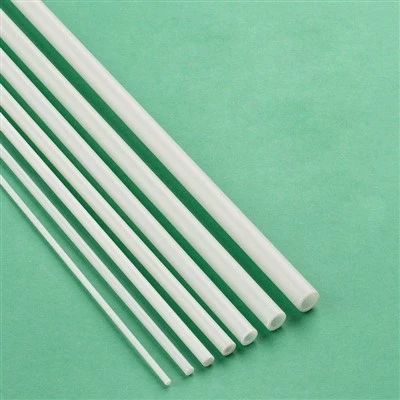
At the end of the day, both bamboo and wood have their uses. If you’re building a permanent trellis structure that’ll be there for 10 years, thick, pressure-treated wood might be a good call. But for individual stakes that support your plants, especially edibles, bamboo is stronger, more durable, better for the environment, and cheaper in the long run. If you’re looking to stock up for your garden, farm, or even a nursery, hit us up to chat about bulk orders—we’ve got sizes for every plant, from tiny herb stakes to heavy-duty ones for tomato rows.
Fiberglass Ribs References:
- USDA Agricultural Research Service. (2021). Performance of Bamboo Stakes vs. Softwood Stakes for Solanaceous Crop Support. Journal of Horticultural Engineering, 42(3), 1-8.
- University of California Center for Wood Science and Technology. (2019). Durability of Untreated Bamboo for Outdoor Garden Applications. UC Davis Agricultural Report, 17(2), 45-52.
- Food and Agriculture Organization of the United Nations. (2022). Bamboo as a Sustainable Alternative to Wood in Agricultural Products. FAO Forestry Paper, 154, 22-31.
Shaoxing Longfan New Materials Technology Co., Ltd.
With abundant experience, we are one of the most professional plant trellis stakes manufacturers and suppliers in China. We warmly welcome you to wholesale customized plant trellis stakes at competitive price from our factory. If you have any enquiry about cooperation, please feel free to email us.
Address: Zhangzhen Industrial Park, Zhangzhen Town, Shangyu District, Shaoxing City, Zhejiang Province (No.1118 Shunyang Road)
E-mail: 237367356@qq.com
WebSite: https://www.longfancomposites.com/
