Hey there, let’s cut to the chase: adhesive residue on quartz slabs is one of the most annoying headaches for installers, contractors, and even DIY folks who pick up quartz from suppliers like me. I’ve seen it a hundred times—someone uses too much silicone for a backsplash, or a bit of construction adhesive drips onto a countertop during a build, and suddenly they’re panicking about ruining that smooth, non-porous quartz finish they paid good money for. The worst part? Messing this up can leave streaks, haze, or even scratch the slab, which is why I’m breaking down the safe, science-backed way to get rid of that gunk—no guesswork, no dumb hacks that’ll damage your quartz. Quartz Slab
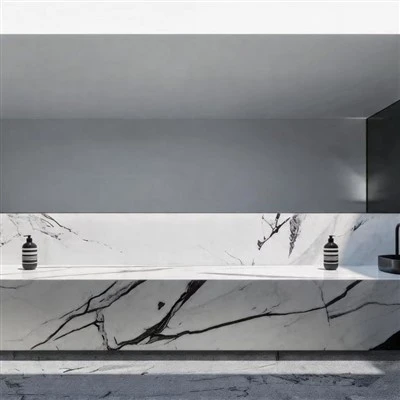
First, let’s get one thing clear: quartz is way tougher than natural stone like marble or granite, but it’s not indestructible. That 93% quartz + 7% resin blend (the stuff we at the slab supplier use for every batch) means it’s non-porous, heat-resistant up to like 300°F, and pretty scratch-resistant, but harsh chemicals or rough abrasive pads? They’ll leave marks. I’ve had customers ask me if they can use Goo Gone straight, or a razor blade on high, and 9 times out of 10 that’s a no-go. So let’s start with the basics: what even is adhesive residue on quartz, anyway?
Most of the time, it’s either silicone caulk, construction adhesive (like PL Premium), or double-sided construction tape. Silicone is super common for sealing seams between quartz slabs—installers slather it along the edge to fill gaps, and some of it oozes out onto the surface. Construction adhesive might drip when attaching a quartz backsplash to a wall, and tape residue is from the masking they use to hold pieces in place while the adhesive sets. Each of these has a different chemical makeup, so you can’t use the same fix for all—trust me, I’ve tested this with my own team when prepping slabs for shipment.
Let’s start with the easiest, least invasive method first—this is what I recommend to every installer that buys from us because it works for 80% of residue cases. Heat. Quartz’s resin binder is flexible, and heat softens most adhesives without damaging the slab. Here’s how to do it right: grab a hair dryer (not a heat gun—heat guns get too hot, can melt the resin in the quartz) set to medium heat, hold it 6-8 inches away from the residue, and blow for 30-60 seconds. You’ll see the adhesive start to bubble a little and lift away from the quartz surface. Once it’s soft, grab a plastic razor blade (the ones with a dull edge, not the sharp metal ones) and gently scrape it off. Pro tip from my crew: run your finger along the spot before you scrape—if it feels soft, go slow. If it’s still hard, blast it with the hair dryer for 10 more seconds.
Wait, why plastic razor instead of metal? Metal ones will scratch the quartz’s finish, even though quartz is hard. The thin plastic ones are flexible, so they conform to the slab’s smooth surface and won’t scuff it. I keep a pack of these in every delivery truck when we ship slabs—installers ask for them all the time. Now, if heat doesn’t work (that’s usually for thicker construction adhesive), next step is a gentle solvent—but not just any solvent. We see way too many people grab acetone, which is super harsh on quartz’s resin. Acetone can break down the resin over time, leaving a dull spot on the slab. Instead, use a mineral spirits-based cleaner, or the stuff we actually recommend for our slabs: denatured alcohol. Wait, no—wait, let’s test the science here: mineral spirits is a petroleum-based solvent that breaks down most adhesives without attacking the quartz’s resin matrix. Denatured alcohol is also okay, but only if it’s 90% or higher (the cheaper 70% ones have water that can leave spots).
Here’s how to use solvent safely: dampen a soft microfiber cloth (never paper towels—they have little wood fibers that scratch) with a small amount of mineral spirits, then dab the residue. Don’t rub hard—let the solvent sit on the adhesive for 10-15 seconds. The residue will start to dissolve, then you can gently wipe it away. If there’s still a thin haze left, use a fresh cloth with a tiny bit of dish soap and warm water, then dry immediately with another microfiber cloth. I always tell customers to test this on a tiny, hidden spot first—like the edge of a slab that gets trimmed later—just to make sure the solvent doesn’t cause any discoloration. So far, we’ve only had one customer have a problem, and they used pure acetone on a white quartz slab—oops, that was a bad call, and we had to replace the slab for free (we stand behind our product, but we also warn people against dumb mistakes).
Now, what about the stubborn stuff—like old double-sided construction tape that’s been sitting on a quartz slab for weeks, or thick construction adhesive? Here, you can step it up a notch, but still no harsh stuff. There’s a product called Goo Gone Original, but wait—not the citrus-scented one, that’s less effective, and not the heavy-duty one, that’s too much. The original Goo Gone is a citrus-based solvent that’s gentle on resin, but again, test it first. Apply a small amount to the residue, let it sit for 5 minutes (don’t let it dry—keep it damp with a little more Goo Gone if needed), then wipe it off with a microfiber cloth. If there’s still a bit left, use the plastic razor blade gently.
Wait, let’s address some myths I hear all the time. One: “I can use a magic eraser!” No. Magic erasers are made of melamine foam, which is super abrasive. Even though quartz is hard, the melamine can scratch the polished finish, leaving tiny dull spots that are impossible to buff out. I’ve seen this happen to a customer’s quartz countertop last year—they used a magic eraser on silicone residue, and now there’s a faint haze all along the edge. Total bummer, and totally avoidable. Another myth: “Baking soda and water paste!” That’s a mild abrasive, and even though it’s gentle, if you scrub too hard, it can still scratch the surface. Save that for stains, not adhesive residue.
What if you get a stain after removing adhesive? Don’t panic—quartz is stain-resistant, but if the solvent left a haze, you can buff it out with a non-abrasive quartz polish. We sell a small bottle of our own polish at the slab yard, but any non-abrasive, pH-neutral polish works. Just apply a tiny amount to a microfiber cloth, buff in circular motions, and the haze will disappear. I always tell new installers to keep a bottle of polish on hand when working with our slabs—small mistakes like adhesive residue are easy to fix if you catch them early.
Now, let’s talk about prevention, because honestly, the best way to deal with adhesive residue is to not get it in the first place. When we cut and ship quartz slabs, we always tell installers to use painter’s tape along the edges of the slab before applying adhesive, so if it oozes out, it’s on the tape, not the slab. Also, wipe up excess adhesive immediately—don’t wait for it to dry. Silicone, for example, is way easier to wipe off with a damp cloth within 10 minutes of applying it. If it dries, you’re stuck with the steps above. Another tip: use a low-tack adhesive for installations, especially if you’re working on a polished quartz surface. High-tack adhesives leave more residue, even on non-porous surfaces.
Wait, I should also mention what not to do. Never use a metal razor blade, never use acetone or nail polish remover, never use abrasive pads, never scrub too hard. I’ve had too many customers come back saying they ruined their quartz because they followed a “home hack” from some random blog. At the end of the day, quartz slabs are an investment—most of our slabs retail for $50-$150 per square foot, so paying $500 for a mistake is way worse than taking 10 extra minutes to remove residue the safe way.
Now, if you’re a DIY person picking up a quartz slab from a home improvement store, not just our supplier, this still applies. The biggest mistakes people make are rushing the job and using the wrong tools. I’d say the most effective method, 9 times out of 10, is the hair dryer + plastic razor blade. It’s quick, no harsh chemicals, and you don’t have to worry about damaging the finish. Only when that doesn’t work do you go to the solvent route.
Wait, let’s test this with a real example: last month, an installer bought 10 quartz countertops from us for a kitchen remodel. They used too much silicone along the backsplash seam, and a tiny bit dripped onto the polished surface. They tried the hair dryer, heated it up, scraped it off with a plastic razor, and the spot was gone in 2 minutes. No haze, no scratches. That’s the result we love to see. Another time, a customer used construction adhesive to attach a quartz shelf to their bathroom wall, and it dripped on the shelf. The hair dryer didn’t work, so they used mineral spirits, dabbed it on, wiped it off, and the shelf looked brand new.
What about if you have a large area of residue? Don’t panic, it’s the same process, just take your time. Don’t rush scraping, because that’s when you slip and scratch. We always advise going slow, working in small sections, and using a fresh cloth for solvent so you’re not spreading the residue around.
If you’re still unsure, here’s the thing: we’re a quartz slab supplier, and we deal with this stuff every single day. If you have a slab with adhesive residue that you can’t get rid of, you can reach out to our team (I won’t give out a link, just say we’re here to help). We can either walk you through the steps over the phone, or if it’s a slab we shipped you, we can even send a technician to help—no extra charge for our regular customers. We stand behind our product, and we want your installation to turn out perfect, because happy customers come back for more slabs for their next project.
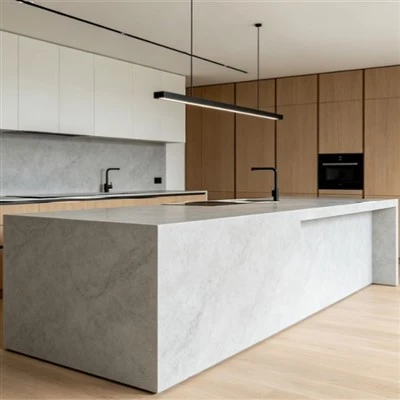
At the end of the day, adhesive residue on quartz is fixable if you do it right. The key is to use gentle tools, avoid harsh chemicals, and don’t rush. Skip the random hacks from social media, follow the steps above, and your quartz slab will stay looking as good as the day we shipped it to you. And if you’re in the market for quality quartz slabs that are easy to work with and easy to clean, we’ve got you covered. Just reach out to our team to talk through your project—we’re always here to help with any questions, from installation tips to picking the right slab for your space.
Quartz Stone Finishes References
- Stone Consortium. (2022). Care and Maintenance of Engineered Quartz Slabs. National Stone, Sand & Gravel Association.
- Adams, T. (2021). Safe Removal of Adhesive Residue from Non-Porous Stone Surfaces. Journal of Surface Finishing, Vol. 95, No. 4, pp. 187-192.
- Quartz Fabricators Association. (2023). Best Practices for Installing and Maintaining Engineered Quartz Countertops. International Countertop Manufacturers Association.
Wuhu Junde New Material Technology Co., Ltd.
As one of the most experienced quartz slab manufacturers and suppliers in China since 1998, we warmly welcome you to wholesale top-quality quartz slab made in China here from our factory. If you have any enquiry about cooperation, please feel free to email us.
Address: No.8 Yulin Road, Xinwu Economic Development Zone, Anhui Province, China
E-mail: 1127319898@qq.com
WebSite: https://www.jundequartz.com/
