If you’re running a facility that relies on high voltage diesel generators—think manufacturing plants, data centers, or remote construction sites—you know the game: these workhorses are non-negotiable for uptime, but their noise can turn a functional space into a headache fast. I’m the guy who’s worked with these units for over a decade, first as a tech on generator installation crews, then as part of a team supplying high voltage diesel generator sets. So let’s cut the jargon and get real: how do you actually reduce that noise without killing performance, wasting fuel, or blowing your budget? High Voltage Diesel Generator Set
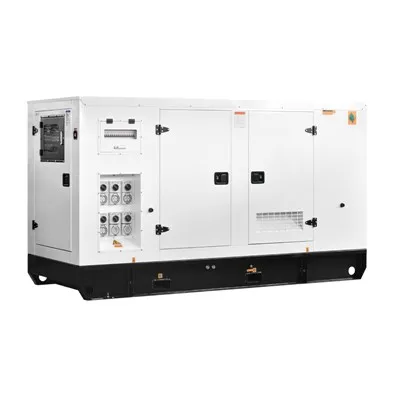
First, let’s ground this in why these generators are so loud in the first place. High voltage models (rated 1000V+ for context) pack bigger engines, larger cooling fans, and louder exhaust systems than their small residential counterparts. The main noise culprits? Roughly 35% comes from the engine’s combustion and moving parts, another 25% from the exhaust, 20% from the cooling fan, and the rest from vibration and the generator’s enclosure. Most folks try to slap a cheap box on it, but that’s like putting a band-aid on a broken arm—totally misses the mark.
Let’s start with the most impactful fix you can make: upgrade or tune the exhaust system. I’ve seen this single move cut noise by 15-20 dB(A), which is the difference between a loud restaurant and a quiet library. Cheap mufflers just muffle sound, but for high voltage units, you need a purpose-built industrial exhaust silencer—not the ones you buy at a hardware store for lawnmowers. These silencers work on two levels: reactive silencers bounce sound waves to cancel them out, while absorptive ones use sound-dampening materials like fiberglass wool wrapped in a fire-resistant metal blanket. Pro tip: don’t skimp on the inner lining. If it’s exposed to exhaust heat over 1000°F, use aluminum-facing fiberglass, not plain stuff that will burn out in 6 months. Also, make sure the exhaust pipe isn’t too narrow—restricting flow will make the engine work harder, which increases noise and wastes fuel. We once had a customer try a 4-inch pipe on a 1250kW generator; swapping to a 6-inch pipe dropped exhaust noise by 8 dB without any performance hit.
Next up: the cooling fan. That big, whirring fan isn’t just for keeping the engine from overheating—it’s a huge noise source, especially at part load (when the generator’s not running at full capacity). Old school fans run at a fixed speed, spinning even when the engine only needs 50% cooling, which wastes fuel and makes noise. Modern variable-speed fans (VSD) sync their speed to the engine’s temperature. I remember a warehouse customer who swapped out their fixed-speed fan on a 800kW unit; their noise dropped by 10 dB(A) during off-peak hours, and their fuel bill went down by 8% too. If VSD isn’t in the budget right now, a cheap fix is to add a fan shroud that directs all airflow through the radiator instead of letting it spill around the edges. We did that for a construction site last year, and their noise at the job line dropped by 7 dB in a week, no extra costs.
Then there’s vibration, which turns into structural noise that travels through floors, walls, and even the ground to adjacent buildings. You can fix this with vibration isolators—don’t just bolt the generator straight to the concrete. There are two types: spring isolators for big, heavy generators (over 500kW) that handle high loads, and rubber ones for smaller units. A common mistake is sizing the isolators wrong. If the isolator is too stiff, it won’t absorb vibration; too soft, and the generator will shake itself apart over time. We always advise our customers to work with a mechanical engineer to calculate the right size, but a quick rule of thumb: isolators should let the generator move no more than half an inch when it’s running at full load. I once had a plant manager who skipped isolators to save money, and a month later, their adjacent office’s walls were cracking from the vibration. That “savings” cost them $10k in repairs—worth the extra $500 for isolators, easy.
Sound insulation is another piece, but it’s not just sticking foam to the walls. If you’re building an enclosure (or using a soundproofed container, called a “sound attenuated canopy”), you need to make sure it doesn’t block the generator’s airflow or exhaust. A lot of cheap enclosures have solid walls that trap heat, leading to overheating and more noise from the engine working too hard. Instead, use layered insulation: a thin metal inner layer to block heat, then a layer of mass-loaded vinyl (MLV) that’s great for blocking mid and high frequency noise, then a layer of fiberglass on the outside to absorb low frequency rumble. Also, leave gaps for intake and exhaust, but line those gaps with acoustic louvers—they let air flow in and out but trap noise. We installed a canopy like this for a data center last year, and their noise went from 92 dB(A) at 7 meters to 72 dB(A), which is quiet enough to hold a conversation right next to the unit.
Wait, let’s talk about operation habits too—this is a huge part most people miss. If you’re running the generator at less than 50% load, it’s way louder than when it’s at 75-85% load (the sweet spot for diesel generators). Why? Diesel engines run more efficiently at mid-load, and the combustion noise is lower when the air-fuel mix is right. I had a customer who ran their 1000kW generator at 30% load all the time to “save fuel”—turns out, that was making their generator 10 dB louder than necessary, and they were using 15% more fuel anyway. If you can, pair your generator with a load bank to test it regularly at full load, or upgrade your electrical system to make sure the generator’s not underworking. Also, don’t idle it longer than you have to. Idling for more than 10 minutes a day adds up to unnecessary noise and fuel waste.
And one last, often overlooked tip: location. If you can, place the generator at least 10 meters away from where people are, or build a berm (a mound of dirt or concrete) between the generator and the noise source. The berm will block low frequency noise that sound enclosures can’t catch. We once had a mining customer who moved their generator from right next to their camp to 150 meters away with a berm—their noise at the camp went from 90 dB(A) to 70 dB(A), no other upgrades needed.
Now, a quick reality check: none of these fixes will bring a high voltage diesel generator down to library quiet levels. Even the best attenuated canopies will get you to around 70 dB(A) at 7 meters, which is the Occupational Safety and Health Administration (OSHA)’s limit for 8-hour work shifts. If you need quieter than that, you might have to look into newer technologies like hybrid generators that pair diesel with battery storage, but that’s a whole different investment.
Here’s the thing: when you reduce generator noise, you’re not just making your team happier. You’re reducing wear and tear on the unit (less vibration, proper load operation), saving fuel, and even staying on the right side of local noise ordinances. I’ve seen too many businesses get fined $10k+ for running generators too loud after hours—small fixes add up to big savings.
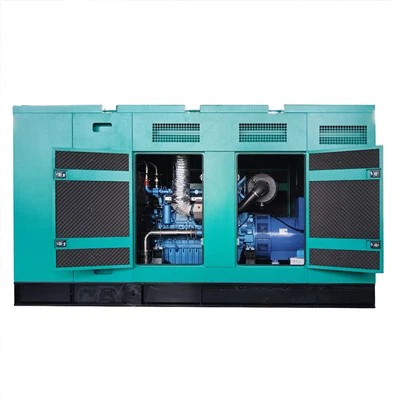
If you’re in the market for a high voltage diesel generator set, or you’re looking to upgrade or modify your existing unit to cut noise, we’ve helped hundreds of facilities get the right balance of performance and quiet. We don’t push one-size-fits-all solutions—we’ll work with your space, your load requirements, and your budget to find what works for you. Hit us up to chat through your needs, no pressure.
Portable Diesel Generator References
- Occupational Safety and Health Administration (OSHA). Noise Control in Industry: A Guide for Workers and Employers. U.S. Department of Labor, 2022.
- Gas and Oil Power. Industrial Generator Noise Reduction Best Practices. Penton Media, 2021.
- International Organization for Standardization (ISO). ISO 3744: Acoustics – Determination of Sound Power Levels and Sound Energy Levels of Noise Sources Using Sound Pressure – Engineering Methods for Free Field Over a Reflecting Plane. ISO, 2010.
- Cummins Power Generation. High Voltage Diesel Generator Installation and Maintenance Manual. Cummins Inc., 2023.
Jiangsu Kaichen Electric Power Equipment Co., Ltd.
We are one of the most professional high voltage diesel generator set manufacturers and suppliers in China, specialized in providing high quality diesel generators with reasonable price. We warmly welcome you to buy cheap high voltage diesel generator set from our factory. Contact us for pricelist and quotation.
Address: Dinghuo Industrial Park, Jiangdu District, Yangzhou, Jiangsu Province
E-mail: 19962469616@163.com
WebSite: https://www.jskaichen-power.com/
