Hey there, and welcome to the blog! If you’re here, you’ve probably stumbled on a question that’s been popping up in my DMs and emails nonstop lately: can our metal treatment products actually be used on non-ferrous metals? Spoiler alert—this isn’t a one-word answer, and I’m gonna break it down like we’re chatting over a coffee (no stuffy industry jargon, promise). I’m the guy behind the Metal Treatment Products supply side, so I’ve tested my fair share of cases, messed up a few, and learned what really works for different metals. Let’s dive in. Metal Treatment Products
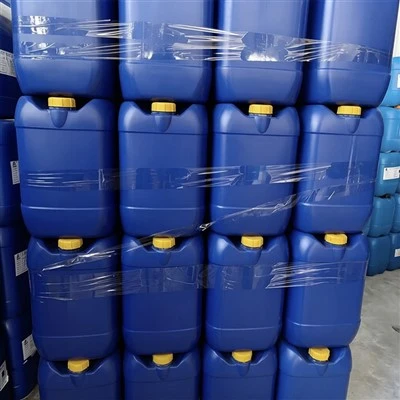
First off, let’s get the basics straight—ferrous vs. non-ferrous metals, because if you mix these up, you’re gonna have a bad time. Ferrous metals are the iron-based ones, duh: steel, cast iron, anything that’s got iron as the main guy. Non-ferrous? No iron at all. Think aluminum, copper, brass, bronze, titanium, even things like zinc or lead. I’ve had new customers call me up saying “I need to treat my metal parts, just send whatever works!” and that’s my red flag number one. Treating steel is way different from treating a copper water line or an aluminum bike frame. That’s the core of this question—metal treatment products aren’t universal, and using the wrong one can do more harm than good.
Let’s start with the most common non-ferrous people ask about: aluminum. You see aluminum everywhere these days—car parts, cookware, window frames, even that fancy laptop casing you’ve got. Now, our metal treatment products—most of them are formulated for ferrous metals, but wait, we have a specific aluminum line, right? Why? Because aluminum is crazy reactive. It forms that thin, tough oxide layer on its surface the second it hits air—you know, that dull, white stuff that forms if you leave an aluminum can out in the rain. Most standard ferrous metal treatments (like rust converters or phosphates for steel) are designed to break down iron oxides, and they’ll either do nothing to that aluminum oxide layer or, even worse, etch the aluminum itself. I’ve seen customers try to use our standard rust treatment on an aluminum deck, and they ended up with pitted, dull spots they had to resand. Not ideal.
But here’s the good part: our specialized aluminum treatment products? They work like a charm. They’re pH-balanced specifically for aluminum’s chemistry—no harsh acids that’ll eat away at the metal, but strong enough to remove that old oxide layer, prep the surface for paint or coating, and even slow down future corrosion. Last month, a customer in the RV industry hit me up because their aluminum slide-outs were getting dirty and starting to oxidize. They tried a DIY solution from the hardware store (acid-based, total no-no) and it left streaks. We sent over our aluminum pre-treatment, they wiped it on, rinsed, and the difference was night and day—slide-outs looked new, and they said the paint they applied stuck way better than before. That’s the kind of win I live for.
Next up: copper and brass. These are super common too—plumbing pipes, doorknobs, musical instruments, even decorative metal work. Copper and brass are softer than steel, way more prone to tarnish, and their surface chemistry is totally different. A lot of people use metal polish on copper, but wait—polish is more for shining, not for protection or prep. Our metal treatment products for non-ferrouss here? We have a line for copper and brass that removes heavy tarnish without scratching the soft surface, and adds a thin, protective layer to stop future tarnish. I remember a decorator client who was working on a historic building with original brass doorknobs that had turned green (that’s copper corrosion, for the curious). She used a generic cleaner first, but it left the knobs looking dull and patchy. Our copper/brass treatment took the green gunk right off, restored their original shine, and kept them from tarnishing for over a year. She’s been a repeat customer ever since.
Wait, what about titanium? Titanium’s big in aerospace, medical parts, even jewelry these days. It’s strong, lightweight, super corrosion-resistant, but it’s also tricky to treat because it forms an even tougher oxide layer than aluminum—like, almost impenetrable. Our titanium-specific treatment is formulated to break through that oxide, create a surface that bonds well with adhesives or coatings, and doesn’t react with titanium’s inert qualities. I worked with a small aerospace parts maker last year who was having an issue where their titanium fasteners wouldn’t hold the adhesive they used in assembly. They tried a few standard treatments and nothing stuck. We sent over our titanium pre-treatment, they applied it per the instructions, and the adhesive bond strength went up 30%—they sent me the lab results, which blew my mind. That’s when I realized non-ferrous treatment isn’t just “can it work” but “will it work as well as you need it to.”
Now, let’s talk about what happens if you use standard ferrous treatments on non-ferrous metals. I already mentioned etching, but let’s go deeper. For example, rust converters—those products that turn rust on steel into a protective layer. If you put a rust converter on aluminum, it doesn’t have iron to react with, so it just sits there, doesn’t do anything. Worse, some rust converters have harsh chemicals that will corrode aluminum over time, leading to hidden rust (wait, not iron rust—galvanic corrosion? No, wait, aluminum-specific corrosion) that you can’t see until the metal fails. I had a guy call me a few months back panicking because his aluminum boat was corroding, and he’d used our standard rust treatment to clean it. Turned out, the product had reacted with the aluminum’s oxide layer, causing tiny pits that let water get in. Total nightmare, and a reminder that matching the product to the metal is non-negotiable.
Another big one: galvanized steel. Wait, is galvanized steel ferrous? Technically, it’s steel with a zinc coating, so it’s got a non-ferrous layer on top. A lot of people confuse galvanized with non-ferrous, but it’s a ferrous base with non-ferrous plating. Treating galvanized steel is a middle ground—you can’t use standard ferrous treatments because they’ll react with the zinc, but you also don’t need a full non-ferrous treatment. We have a galvanized-specific line that prep the zinc surface so paint sticks, without damaging the layer that protects the steel underneath. That’s a common question too, so it’s worth mentioning.
Now, let’s get into the science part, because I know a lot of you reading this care about the why, not just the what. Metal treatment products work via a few different mechanisms: phosphating, converting oxides, sealing, inhibiting corrosion. Ferrous phosphates (which are in most standard steel treatments) bond with iron on the surface to create a crystalline layer that stops rust. Non-ferrous metals don’t have iron, so they need different chemistry—aluminum treatments use chromate-free conversion coatings (we don’t use the old toxic chromates, by the way, all our products are EPA-approved) that bind to aluminum’s oxide, brass treatments use chelating agents that lift tarnish without etching, titanium treatments use a mild etchant that breaks down the tough oxide without weakening the metal. That’s why you can’t just swap a ferrous product for a non-ferrous one—their chemical reaction is metal-specific.
Wait, let’s talk about exceptions, because nothing in this business is 100%. Are there any metal treatment products that work on both ferrous and non-ferrous? Some general-purpose cleaners, but they’re just for cleaning, not for protecting or prepping for coating. I’ve seen some “all-metal” products marketed online, but 9 times out of 10, they’re not great—they’ll clean the surface, but they won’t provide the protection or bonding you need. If you’re just wiping down a metal part to get grease off, a general all-purpose cleaner might work, but if you need to stop corrosion or prep for paint, you need the right product.
Another example: if you have a mixed metal project, like a steel frame with aluminum brackets. You can’t use steel treatment on the aluminum, and vice versa. I had a construction company come to me with a building project where they had steel I-beams and aluminum trim. They tried to use one treatment for both, and the trim started tarnishing badly within a month, while the beams started getting light rust where the treatment didn’t take. We ended up sending them our steel treatment for the beams and aluminum treatment for the trim, and they’ve used that combo on every project since. That’s the kind of tip I wish more people knew—mixed metals need matched treatments.
Now, let’s address some myths I hear all the time. Myth #1: Non-ferrous metals don’t need treatment, because they don’t rust. Wrong! Aluminum oxidizes, copper tarnishes, titanium can corrode in certain environments (like saltwater, which is why titanium is used for marine parts, but it still needs protection). Myth #2: Any metal polish works for any non-ferrous. No—steel polish is too abrasive for soft brass, and aluminum polish can leave residue on copper that turns it green. Myth #3: Our general metal treatment works on everything. As I said earlier, only for cleaning, not for protection.
Here’s the thing as a supplier: my job isn’t just to sell you a product. It’s to make sure you’re using the right one for your specific metal. I’ve had customers come to me asking for a “one-size-fits-all” solution, and I always be honest with them—there’s no such thing, but we have a solution for every metal you’re working with. Whether you’re a hobbyist building a custom bike with aluminum and steel, a plumber working with copper pipes, a manufacturer making titanium medical parts, or a construction crew using galvanized steel and aluminum trim, we’ve got the product tested and formulated for your needs.
Wait, let’s circle back to that customer I mentioned earlier with the aluminum boat. They reached out after their mistake, and we sent them our aluminum corrosion treatment, plus a sealant to apply on top. They called me a month later saying their boat was looking better than it had in years, and the stuff we sent fixed the pitting from the bad product. That’s why I love this job—helping people avoid the mistakes I (or others) have made, and getting them the right tools for the job.
Now, if you’re reading this and wondering what’s right for your project, here’s a quick checklist: first, identify your metal—Is it aluminum, copper, brass, titanium, steel, galvanized, etc.? Second, what’s the end goal? Are you cleaning it? Stopping corrosion? Prepping for paint or adhesive? Shining it? Third, skip the generic products from the big box store and go for something formulated for your specific metal. And if you’re not sure? Hit us up. We’re here to answer questions, not just make a sale.
I know this was a long one, but the last thing I want is for someone to waste time, money, and ruin their project by using the wrong metal treatment. Non-ferrous metals absolutely can be treated, but you can’t treat them with the same products you use for steel. That’s the key takeaway—match the product to the metal, always.
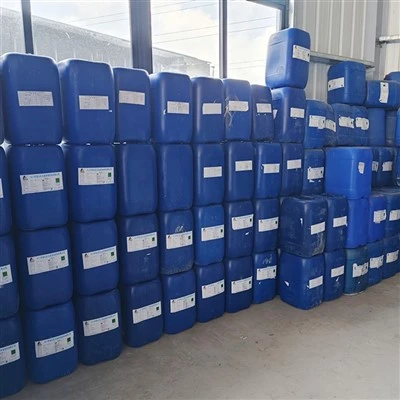
If you’ve got a project coming up, or you’re not sure which product is right for your non-ferrous metal, don’t hesitate to reach out. We can walk through your needs, send sample products if you need to test, and make sure you get exactly what works for you. No pressure, no fancy sales talk, just real advice from a guy who’s been in the metal treatment game for years.
Wood Finish Now, references:
- ASM International. (2019). Corrosion of Non-Ferrous Metals. Materials Park, OH: ASM International.
- National Association of Corrosion Engineers (NACE). (2021). Surface Preparation for Non-Ferrous Metals. Houston, TX: NACE International.
- Metal Finishing Guidebook. (2022). Formulations for Ferrous vs. Non-Ferrous Metal Treatment. Westwood, NJ: Gardner Publications.
Winsir Decoration Materials Co., Ltd.
With abundant experience, we are one of the most professional metal treatment products manufacturers and suppliers in China. Please feel free to wholesale bulk metal treatment products in stock here from our factory. Good service and quality products are available.
Address: Zhonghe Village Industrial Zone, Duruan Town, Pengjiang District, Jiangmen City
E-mail: service@winsir.com.cn
WebSite: https://www.winsir-intl.com/
